Israeli police intervened to stop Catholic leaders from conducting Palm Sunday Mass at a significant church in Jerusalem, a move that has drawn attention to tensions surrounding religious practices in the holy city. The incident occurred on Sunday, March 29, 2026, as faithful gathered for the traditional service marking the beginning of Holy Week.
Security Measures Halt Religious Ceremony
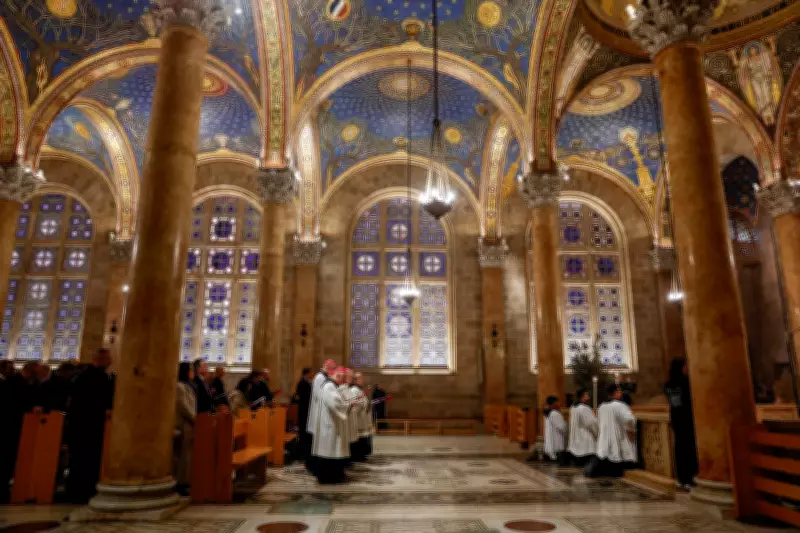
According to reports, Israeli security forces cited unspecified security concerns as the reason for preventing the Mass from taking place at the Church of All Nations, a site revered by Christians. Cardinal Pierbattista Pizzaballa, the Latin Patriarch of Jerusalem, was among the religious figures who were barred from leading the ceremony. This action disrupted plans for the Palm Sunday observance, which typically involves processions and prayers commemorating Jesus' entry into Jerusalem.
Context of Religious Tensions in Jerusalem
Jerusalem, a city sacred to Judaism, Christianity, and Islam, has long been a focal point for religious and political disputes. The Israeli police's decision to block the Mass highlights ongoing challenges in balancing security protocols with the rights of religious communities to worship freely. Local authorities have not provided detailed explanations beyond general safety precautions, leaving many faithful and observers questioning the necessity of such measures on a major Christian holiday.

Eyewitness accounts describe a subdued atmosphere as attendees were turned away or redirected to alternative locations. Some participants expressed frustration, noting that Palm Sunday services have been held at the church for decades without prior incidents. The Church of All Nations, located near the Garden of Gethsemane, is a popular pilgrimage site, adding to the significance of the disruption.
Reactions from the Catholic Community
In response to the police action, Catholic officials issued statements emphasizing the importance of religious freedom and dialogue. Cardinal Pizzaballa, while not commenting directly on the security rationale, called for respect and understanding in managing shared holy sites. The Latin Patriarchate of Jerusalem, which oversees Catholic activities in the region, has reportedly sought clarification from Israeli authorities to prevent similar occurrences in the future.
International observers have noted that such incidents can exacerbate existing tensions in Jerusalem, where access to religious sites remains a sensitive issue. The timing during Holy Week, a period of heightened religious significance for Christians worldwide, has amplified concerns about the implications for interfaith relations.
Broader Implications for Religious Practices
This event underscores the complex interplay between security and religious expression in conflict-prone areas. Experts point out that while Israel has legitimate security interests, actions perceived as restricting worship can fuel grievances among minority communities. The blocking of the Palm Sunday Mass may prompt further discussions on protocols for religious events in Jerusalem, with calls for more transparent and collaborative planning between religious leaders and security forces.
As Holy Week continues, the Catholic community in Jerusalem is adapting to the circumstances, with some services relocated to other churches. The incident serves as a reminder of the fragile balance required to uphold both safety and spiritual traditions in one of the world's most contested cities.