Slovenia's Liberals and Populists in Tight Race as Preliminary Election Results Emerge
Preliminary results from Slovenia's parliamentary elections, held on Sunday, March 22, 2026, indicate a neck-and-neck contest between liberal and populist political factions. The outcome is poised to significantly influence the country's direction amid a closely watched electoral process.
Voter Turnout and Key Issues
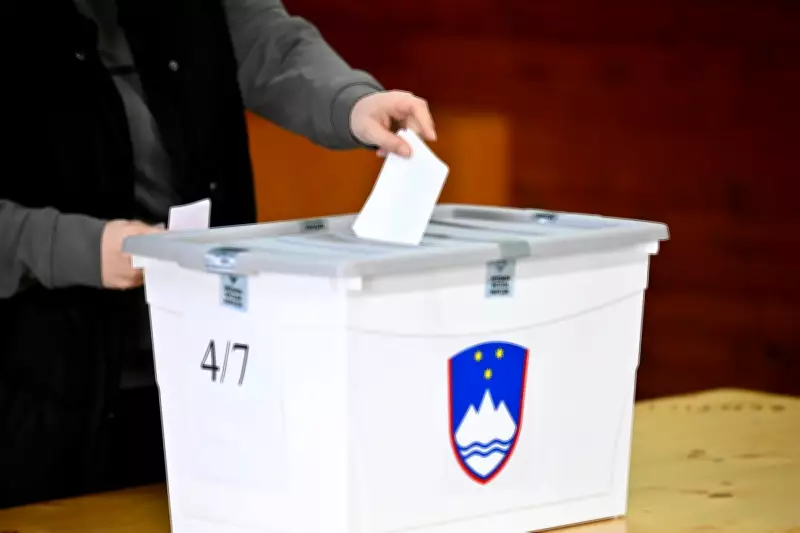
Citizens across Slovenia, including in towns like Arnace, cast their ballots in high numbers, reflecting intense public engagement. The election has centered on debates over economic policies, social reforms, and Slovenia's role in the European Union, with both sides mobilizing supporters through vigorous campaigns.
Early projections suggest that neither bloc has secured a decisive majority, potentially leading to coalition negotiations or a hung parliament. This uncertainty underscores the polarized nature of Slovenian politics, where liberal groups advocate for progressive changes and populist parties emphasize national sovereignty and traditional values.

Implications for Governance
The tight race highlights the challenges ahead for forming a stable government. Analysts note that the results could impact Slovenia's domestic agenda, including healthcare, education, and environmental policies, as well as its international relations. Further updates are expected as official counts are finalized, with final results anticipated to clarify the political landscape in the coming days.
This election is seen as a bellwether for broader European trends, where similar divisions between liberal and populist movements have emerged in recent years. Observers are closely monitoring the situation for insights into voter sentiment and potential shifts in power dynamics.