Mexican authorities have seized record amounts of cocaine in recent months, a trend experts attribute to potential demand from the 2026 FIFA World Cup, which Mexico will co-host with the United States and Canada. The seizures, which include a 2.3-ton haul in the port of Manzanillo in May, suggest drug cartels are stockpiling supplies in anticipation of an influx of tourists and visitors for the tournament.
Record Seizures and Expert Analysis
According to data from the Mexican government, cocaine seizures in the first five months of 2026 have already surpassed the total for all of 2025. The 2.3-ton seizure in Manzanillo was one of the largest in recent history, following a 1.8-ton bust in the same port in March. Experts say these volumes indicate not just ongoing trafficking but preparation for a surge in demand.
“The World Cup is a massive event that draws millions of people, and unfortunately, drug traffickers see it as a business opportunity,” said Dr. Ana María Salazar, a security analyst at the National Autonomous University of Mexico. “We are seeing a clear pattern of increased cocaine shipments as cartels try to ensure supply for the expected spike in consumption.”

Cartel Strategies and Security Concerns
The seizures highlight the evolving strategies of Mexican cartels, which are increasingly using container ships to move large quantities of cocaine from South America. The Sinaloa Cartel and Jalisco New Generation Cartel are believed to be the primary actors behind the recent shipments. Mexican security forces have intensified port inspections, but the sheer volume of cargo makes complete interdiction difficult.
“The cartels are sophisticated logisticians,” said Mike Vigil, former head of international operations for the U.S. Drug Enforcement Administration. “They know the World Cup will bring a temporary population boom, and they want to cash in. The seizures we are seeing are just a fraction of what is actually moving.”
Impact on Host Cities
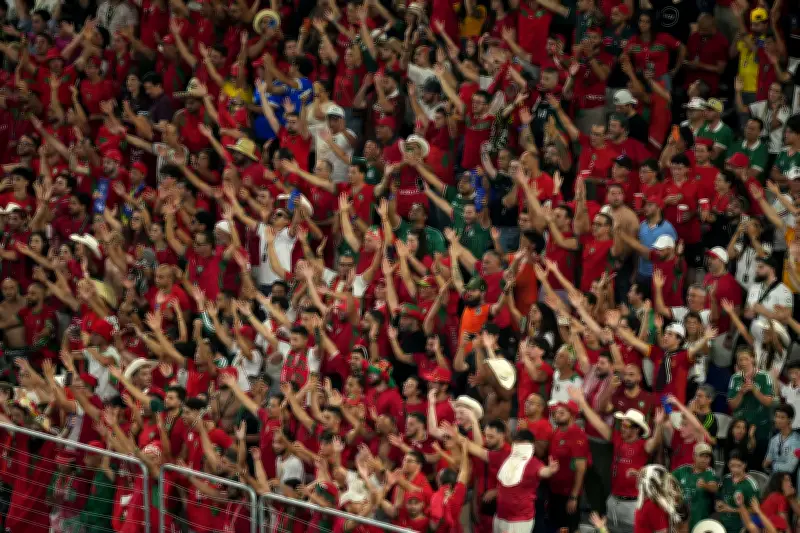
The World Cup is scheduled to take place across 16 cities in North America, including three in Mexico: Mexico City, Guadalajara, and Monterrey. These cities are already major hubs for drug trafficking and consumption, and authorities fear the tournament could exacerbate violence and addiction. Mexican officials have pledged to increase security and anti-drug operations during the event, but experts warn that demand-side pressures may overwhelm enforcement efforts.
“We are in a race against time to disrupt these supply chains before the World Cup begins,” said a spokesperson for the Mexican Attorney General’s Office. “Our goal is to ensure the safety of all visitors and prevent the tournament from becoming a bonanza for criminals.”
Broader Implications
The cocaine seizure trend also reflects broader shifts in the global drug trade. With cocaine production in Colombia reaching record highs, traffickers are seeking new markets and routes. The World Cup represents a unique opportunity for cartels to expand their customer base and launder money through legitimate businesses such as hotels, restaurants, and transportation services.
“The economic impact of the World Cup is enormous, and cartels want a piece of it,” said Salazar. “They are not just selling drugs; they are investing in the local economy to disguise their profits. This makes it even harder for authorities to track and stop them.”
As the tournament approaches, Mexican authorities are under pressure to demonstrate that they can control the situation. The recent seizures are a positive sign, but experts caution that the fight against drug trafficking is far from over. The World Cup may be a celebration of sport, but it also presents a significant challenge for law enforcement across the region.