Iran Intensifies Gulf Offensive as Diplomatic Efforts Gain Traction
Early Wednesday morning, Iran launched a series of coordinated attacks across the Persian Gulf region, striking targets in Qatar, Kuwait, and the United Arab Emirates. The offensive comes as Tehran acknowledged for the first time that Washington has engaged in direct communication regarding a potential ceasefire in the escalating conflict that has already claimed more than 3,000 lives.
Regional Infrastructure Under Fire
Qatar's Defense Ministry reported that three cruise missiles targeted the country, with defenses intercepting two but the third striking an oil tanker off the coast. The 21-member crew of the QatarEnergy-contracted vessel was successfully evacuated with no casualties reported. This attack follows a pattern of Iranian aggression against maritime targets, with more than 20 ships attacked since the conflict began.
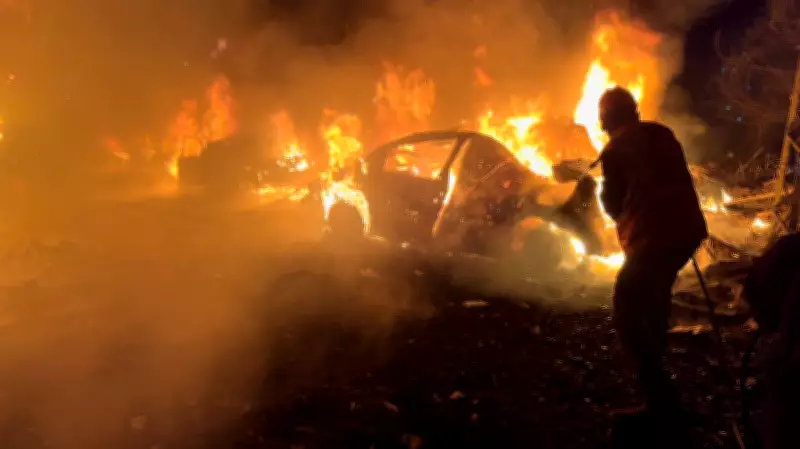
In Kuwait, a drone strike ignited a substantial fire at Kuwait International Airport after hitting a fuel tank, while Bahrain reported missile attacks causing fires at business facilities. The United Arab Emirates confirmed one fatality when debris from an intercepted drone struck a farm worker in Fujairah. Saudi Arabia successfully intercepted two additional drones, and Israel sounded air raid sirens though no damage was immediately reported.

Strait of Hormuz Crisis Deepens
The economic implications of Iran's control over the Strait of Hormuz continue to reverberate globally. Since Iran restricted ship traffic through the vital waterway following U.S. and Israeli attacks on February 28, global oil markets have experienced significant disruption. The strait normally facilitates the transit of one-fifth of the world's oil supply, and Brent crude prices have surged more than 40% since the conflict began, currently trading above $104 per barrel.
President Donald Trump addressed the situation, suggesting the war could conclude within approximately two weeks while simultaneously deploying additional troops to the region. Remarkably, Trump indicated the U.S. might accept continued Iranian control over the Strait of Hormuz, stating that responsibility for keeping the waterway open should fall to countries dependent on it, specifically mentioning France despite Europe's minimal reliance on strait-shipped oil compared to Asian nations.
Diplomatic Channels Open Amid Distrust
Iranian Foreign Minister Abbas Araghchi confirmed receiving direct messages from U.S. Mideast envoy Steve Witkoff but emphasized that no direct negotiations were occurring. "The trust level is at zero," Araghchi stated in an interview with Al Jazeera, expressing skepticism about potential outcomes from talks with the United States. He issued a stark warning against any ground offensive, declaring "we are waiting for them" and asserting Iran's preparedness for self-defense.
The United States has presented Iran with a 15-point ceasefire plan demanding the strait's reopening, while Iran's counter-proposal includes maintaining sovereignty over the waterway. Trump has threatened to broaden the offensive if progress stalls, specifically mentioning potential attacks on Kharg Island's oil export facilities and desalination plants.
Cross-Border Strikes Continue
Israel conducted strikes in Lebanon that killed at least five people in Beirut, with Lebanon's Health Ministry reporting 21 additional wounded. The Israeli military has been engaged in southern Lebanon since Hezbollah began launching missiles into northern Israel following the wider conflict's outbreak. Lebanese authorities report more than 1,200 fatalities and over 1 million displaced persons, while Israel has suffered 10 military casualties in the theater.
Simultaneously, Israel targeted what it identified as a fentanyl production facility in Iran, alleging the synthetic opioid was destined for chemical weapons development. Iran acknowledged the strike on the Tofigh Daru factory but maintained it produced only medical pharmaceuticals. Both nations have previously accused Iran of experimenting with fentanyl in munitions.

Mounting Human Toll
The conflict's human cost continues to rise dramatically. Iranian authorities report more than 1,900 fatalities within their borders, while Israel has recorded 19 deaths. United States Central Command confirms 13 American service members killed and 348 wounded, with six seriously injured. Additional casualties include more than two dozen deaths across Gulf states and the occupied West Bank.
As the situation remains volatile with no immediate signs of de-escalation, President Trump plans a prime-time address to the nation on Wednesday evening. The international community watches anxiously as diplomatic efforts struggle against a backdrop of continued violence and economic disruption affecting global energy markets.