U.S. Customs and Border Protection Intercepts Illegal Contraband at Busy International Crossing
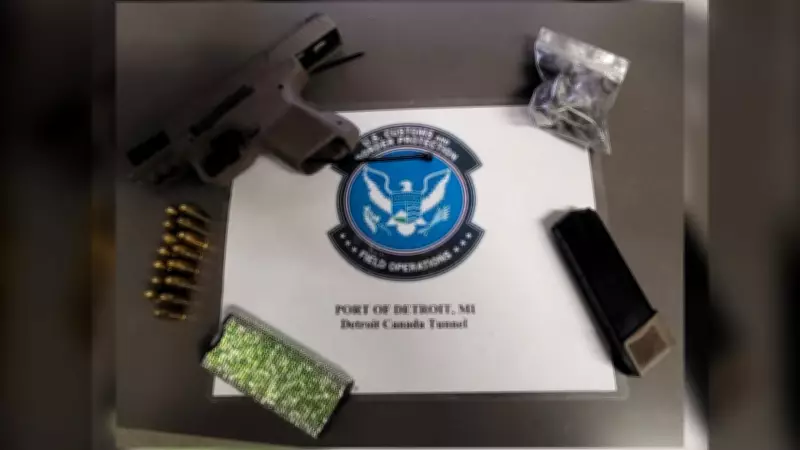
In a significant enforcement action, U.S. Customs and Border Protection (CBP) officers seized multiple prohibited items, including firearms, a taser, marijuana, and ammunition, during a vehicle inspection at the Detroit-Windsor Tunnel. The incident occurred on March 7, 2026, highlighting ongoing efforts to secure international borders against illicit trafficking.
Details of the Seizure Operation
The seizure took place during a routine inspection at the tunnel, which connects Detroit, Michigan, to Windsor, Ontario. CBP agents discovered the contraband hidden within a vehicle attempting to cross into the United States. The cache included several firearms, a substantial quantity of ammunition, a taser device, and a notable amount of marijuana. Authorities have not released specific details regarding the exact types or quantities of firearms and drugs recovered, citing an ongoing investigation.
This interception underscores the critical role of border security in preventing the illegal transport of weapons and narcotics, which pose significant risks to public safety on both sides of the border. CBP officials emphasized that such seizures are part of their daily operations to enforce U.S. laws and regulations, utilizing advanced screening technologies and officer vigilance.

Broader Context of Border Security Challenges
The Detroit-Windsor Tunnel is one of the busiest international crossings in North America, facilitating millions of vehicle passages annually. This seizure comes amid heightened concerns about cross-border crime, including drug smuggling and weapons trafficking. Recent years have seen increased collaboration between U.S. and Canadian law enforcement agencies to combat these issues, though incidents like this demonstrate persistent challenges.
Border security experts note that traffickers often exploit high-traffic crossings, attempting to blend in with legitimate travel. The successful interception by CBP agents reflects ongoing training and resource allocation aimed at detecting concealed contraband. Additionally, this event may prompt further reviews of inspection protocols and intelligence-sharing mechanisms between the two nations.
Implications for Public Safety and Policy
The seizure has sparked discussions about the effectiveness of current border security measures and potential policy adjustments. Advocates for stricter enforcement argue that such incidents justify increased funding and technological upgrades at ports of entry. Conversely, some groups call for balanced approaches that ensure efficient trade and travel while maintaining security.
In response to the seizure, CBP released a statement reaffirming their commitment to safeguarding borders. "Our officers remain vigilant in protecting our communities from illegal activities," a spokesperson said. The agency encourages travelers to familiarize themselves with border regulations to avoid unintentional violations, which can lead to seizures, fines, or legal action.
As investigations continue, authorities are working to determine the origin and intended destination of the seized items, which could lead to further arrests or insights into trafficking networks. This incident serves as a reminder of the ongoing efforts required to secure international borders in an increasingly interconnected world.