Canada's Military Forced to Adapt to Changing Global Realities with Arctic Focus
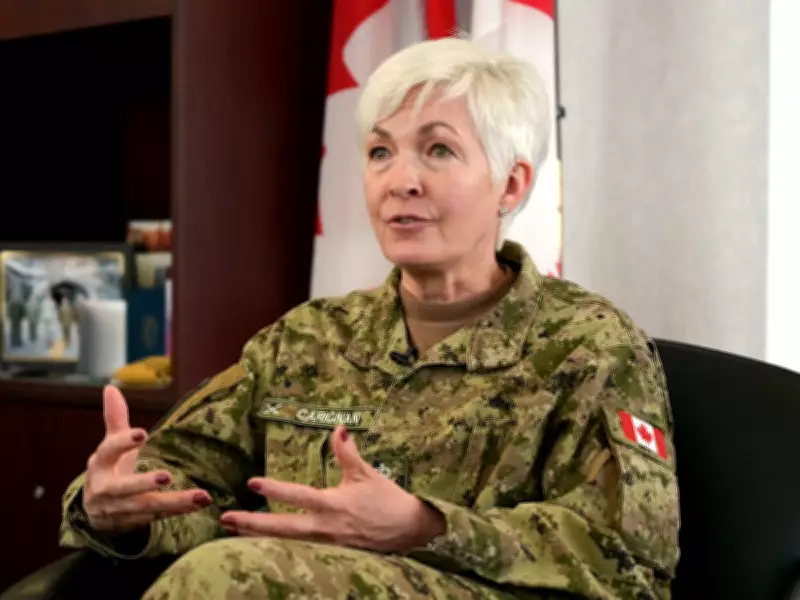
Canada's defence strategy is entering a critical new phase as the country's military adapts to evolving global security challenges, with particular emphasis on the rapidly changing Arctic region, according to General Jennie Carignan, Chief of the Defence Staff of the Canadian Armed Forces.
Geography No Longer Provides Traditional Protection
General Carignan emphasized that Canada can no longer rely on its geographical advantages for security as it has in the past. "Geography no longer offers protection as well as it did in the past," she stated in an interview conducted in Ottawa. This represents a significant shift for a nation that has historically enjoyed relative security due to its position between two oceans and its vast northern territories.
The general described this moment as "pivotal" for Canada's defence establishment, requiring fundamental transformation of military capabilities and strategic positioning.

Climate Change Reshapes Arctic Security Landscape
The Arctic has become a focal point of concern as temperatures in the region rise three to four times faster than elsewhere on the planet. This accelerated warming has made northern territories more accessible and consequently more coveted by multiple nations seeking to exploit newly available resources and maritime routes.
"Climate change has brought a seismic shift," Carignan explained, noting that melting sea ice has improved access to crucial natural resources including minerals and fish stocks while opening new shipping lanes that were previously impassable.
This environmental transformation has fundamentally altered Canada's security calculations, requiring the military to "position itself differently" to maintain control and responsibility for national defence.
Military Modernization and Infrastructure Development
In response to these challenges, Canada's armed forces have implemented significant modernization efforts including:
- Upgrading northern infrastructure and facilities
- Pre-positioning materials and equipment in strategic locations
- Increasing military exercises and operations in northern regions
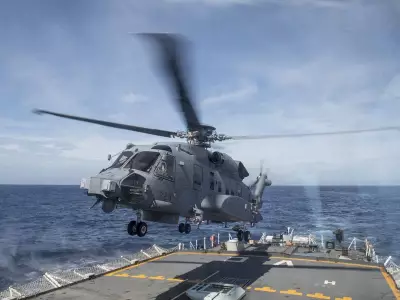
- Developing new capabilities for larger-scale conflict scenarios
The military is also working to rebalance its supply chains to reduce dependence on the United States, creating greater self-sufficiency in defence capabilities.
Budgetary Commitments and Long-Term Planning
Carignan expressed satisfaction that Canada has reached the NATO target of spending two percent of GDP on defence, but emphasized that "sustained and stable investments over the next 10–15 years" will be essential to complete the necessary transformation.
The country has established a dedicated agency for defence-related investments to strengthen its domestic industrial base and plans to invest approximately $500 billion in defence over the coming decade.
Leadership and Recruitment Progress
As the first woman to serve as Chief of the Defence Staff in a Group of Seven country, Carignan hopes her appointment serves as a model for other women considering military careers. She noted that recruitment efforts are showing positive results, with applications to Canada's armed forces increasing by 12.9 percent over the past eight months.
The general's leadership comes at a time when Canada is moving beyond the targeted missions of recent decades, such as operations in Afghanistan, toward preparing for broader security challenges in an increasingly complex global environment.