In the wake of a devastating terrorist attack at Bondi Beach, authorities in Australia's most populous state are enacting sweeping security enhancements for Sydney, with the potential deployment of military personnel now under active consideration.
Security Review and Military Support on the Table
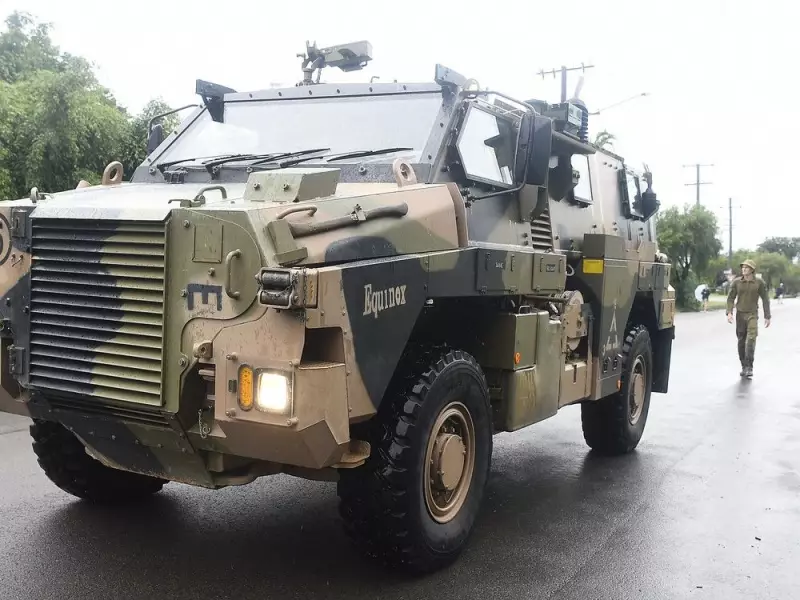
New South Wales Premier Chris Minns stated on Sunday, December 28, 2025, that the government is reviewing all security arrangements following the December 14 massacre. He confirmed that discussions are ongoing regarding a range of measures, including the possible use of army patrols to bolster public safety.
"We're going to look very closely at security programs and measures in the future," Minns said. He emphasized the gravity of the situation, adding, "There's a big challenge ahead of us to rebuild Jewish life in Sydney. So I'm not going to take anything off the table." Residents have been told to expect an increased police presence, including officers carrying long-arm firearms, through New Year's Eve and beyond.

Details of the Bondi Beach Attack
The security reassessment comes directly after the Bondi terrorist attack, which officials have labeled Australia's worst terrorist incident. The attack occurred on December 14 during a Hanukkah celebration. Two gunmen, inspired by the Islamic State (ISIS), killed 15 people.
The assailants were a father and son. The father was killed in a subsequent shootout with police. The son, identified as 24-year-old Naveed Akram, has been charged with 59 offences, including murder and terrorism-related charges.
Legislative Response and Symbol Ban
Both state and federal governments have moved swiftly to implement a series of counter-terrorism responses. The Minns government convened an emergency session of parliament to pass new laws, including measures to limit the number of firearms an individual can own.
Concurrently, New South Wales is banning the public display of extremist symbols. This prohibition will specifically target flags or emblems associated with prescribed terrorist organizations, such as ISIS, Hamas, and Hezbollah.
At the federal level, Prime Minister Anthony Albanese has announced plans for tougher hate speech laws. These proposed laws aim to target those who promote violence or racial vilification, create new aggravated offences, and grant authorities heightened powers to act against organizations and individuals spreading division.
The coordinated response also includes pledges for stronger action against extremism through improved coordination with intelligence agencies and community leaders, as Australia fundamentally reassesses its national counterterrorism posture.