Toronto Demands Six-Figure Fee to Convert Commercial Bungalow Back to Duplex
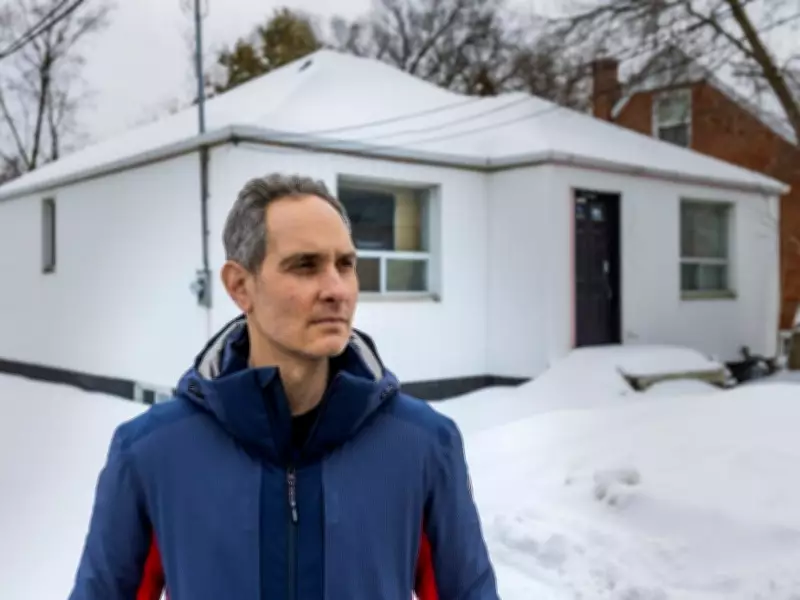
A vacant bungalow on Sheppard Avenue West in Toronto sits idle, its potential as a home stalled by a municipal demand for a six-figure development fee. Brian Goldfinger, a personal injury lawyer and the property owner, aims to transform the structure from commercial use back into a residential duplex, but the City of Toronto has levied charges exceeding $125,000, igniting a fierce debate over housing affordability and bureaucratic hurdles.
The Property's History and Conversion Plan
Goldfinger has owned the bungalow at 177 Sheppard Ave. W. for several years, during which it housed transient businesses like a beauty salon and an escape room. With these ventures faltering, he decided to revert the building to its original residential purpose, planning to create a duplex with two units—one on the main floor and another in the basement, each approximately 700 square feet. He anticipated a smooth process, given Toronto's proclaimed efforts to streamline small-scale housing developments amid a severe housing shortage.
However, the city's response has been anything but straightforward. While approving a variance for duplex use, officials imposed fees totaling more than $125,000. This includes nearly $50,000 in standard development charges, over half for parkland dedication in lieu, and additional thousands for educational development and a road damage deposit. Goldfinger argues the charges are excessive, noting the building's footprint remains unchanged and no new density is added.

Criticism and Hypocrisy Claims
"Nothing has been added. The footprint has stayed the exact same," Goldfinger stated. "This isn't a height thing. This isn't a density thing. This is just about creating housing and one of the roadblocks that the city is doing. They're a bunch of hypocrites." He contends the fees surpass renovation costs and serve as a covert tax increase, lining city coffers without raising property taxes broadly.
Richard Lyall, president of the Residential Construction Council of Ontario, echoed these concerns, labeling development fees as "out of control." He questioned the rationale behind such high charges for a simple conversion, asking, "Why? What's the additional infrastructure or whatever else like that that's involved with that?" Lyall likened the fees to a "modern-day version of crack-cocaine for municipalities," suggesting cities have become dependent on them.
City Defense and Policy Context
In contrast, Toronto city councillor Stephen Holyday defended development charges as a fair mechanism to fund incremental city demands from growth, such as transit, libraries, and paramedic services. "In not paying development charges, the average taxpayer then has to bear the cost," he explained. However, Holyday expressed intrigue over Goldfinger's case, acknowledging its uniqueness since the property was originally a home.
The City of Toronto clarified in a statement that development charges and parkland fees are mandated by provincial legislation and local bylaws. It emphasized that the conversion at 177 Sheppard Ave. W. is classified as development, subject to these charges as a non-residential-to-residential use conversion. This stance persists despite a recent city policy allowing residential buildings to host small businesses without zoning changes, potentially discouraging similar conversions.
Broader Implications and Unresolved Future
Goldfinger's dilemma underscores a larger tension between municipal revenue needs and housing crisis solutions. With fees that could deter home-based businesses and conversions, critics argue the city's policies contradict its affordable housing goals. Goldfinger, who has contacted local councillor Lily Cheng without resolution, remains uncertain about his next steps but hopes the city will "come to their senses and reverse their position."
As Toronto grapples with soaring housing costs, this case highlights the complex interplay of development fees, urban planning, and the urgent need for livable spaces. The bungalow, once a home, now symbolizes the bureaucratic and financial barriers hindering residential revitalization in a city desperate for more housing options.