

Supreme Court Hears Oral Arguments on Trump's Bid to End Birthright Citizenship
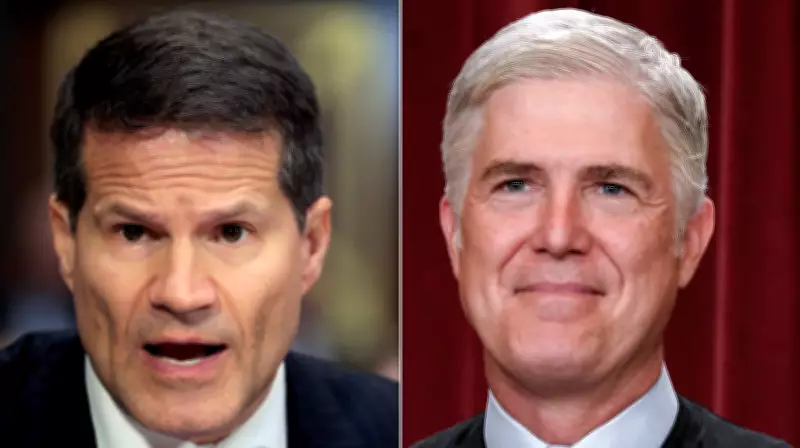
The Supreme Court convened on Wednesday morning to hear oral arguments regarding President Donald Trump's controversial effort to eliminate birthright citizenship in the United States. The proceedings took an unexpected turn when U.S. Solicitor General D. John Sauer, representing the government, appeared unprepared for pointed questioning from Justice Neil Gorsuch.
Solicitor General's Hesitant Responses Under Scrutiny
Justice Gorsuch, who possesses extensive expertise in tribal rights law, directly challenged Sauer on whether Native Americans would qualify for birthright citizenship under the proposed executive order. Sauer's response was notably uncertain, as he stammered, "Uhh, I think so?" This exchange highlighted a critical gap in the government's legal reasoning.
Gorsuch pressed further, asking, "Do you think Native Americans today are birthright citizens under your test?" Sauer repeated his hesitant answer, "Uhh, I think so? I mean, obviously they're granted citizenship by statute..." before being interrupted by Gorsuch, who insisted on setting aside statutory provisions to focus on the constitutional test.

Historical Context of Native American Citizenship
It is important to note that the 14th Amendment, which established birthright citizenship in 1868, explicitly excluded Native Americans from its protections. Automatic citizenship for this group was not granted until 1924, when President Calvin Coolidge signed the Indian Citizenship Act into law. This historical backdrop made Sauer's uncertainty all the more striking during the arguments.
Gorsuch's Persistent Questioning and Sauer's Continued Struggles
After some legal back-and-forth, Justice Gorsuch reiterated his inquiry, emphasizing the government's proposed test based on parental domicile. He asked, "Your test is the domicile of the parents. And that would be the test you'd have us apply today, right? Are tribal [children], born today, birthright citizens?" Once again, Sauer failed to provide a clear response, stating, "Uhhh, I think so? On our test, yeah. I'm not sure. I'd have to think that through. But, but — that's my reaction."
Gorsuch responded with a chuckle, saying, "I'll take the yes," underscoring the solicitor general's lack of preparedness. This moment has drawn significant attention from legal observers and the public, raising questions about the robustness of the government's case in this high-stakes constitutional debate.






