

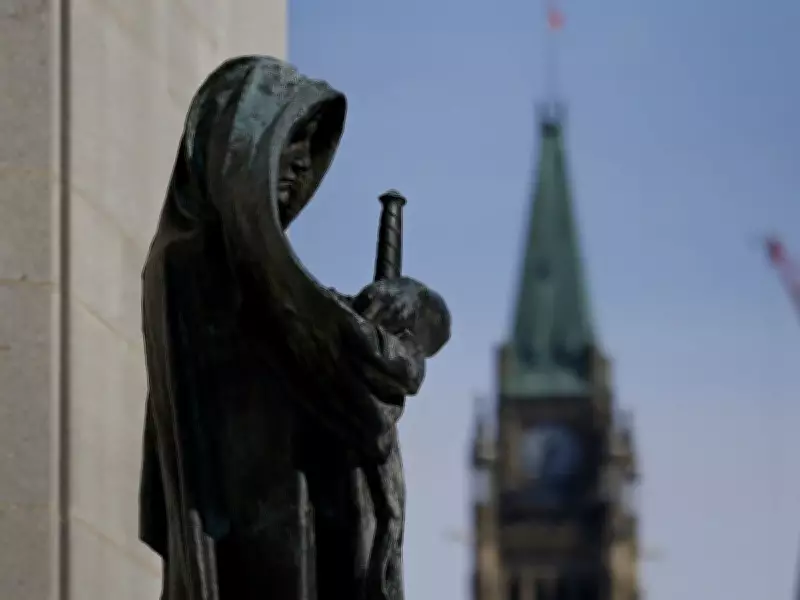
Supreme Court Decision Grants Police Broader Authority to Enter Private Property
The Supreme Court of Canada has issued a landmark ruling that significantly expands police authority to enter private property without obtaining warrants, marking what legal experts describe as a substantial blow to property rights and privacy protections nationwide.
The Implied License Concept and Its New Interpretation
Most Canadians understand that police typically require a warrant to enter homes or backyards, except in emergency situations where immediate intervention is necessary. However, officers frequently approach residences via driveways, knock on doors, and initiate questioning without formal authorization. This practice stems from the common law principle of "implied license," which traditionally permitted public access to doorways for communication purposes—allowing package deliveries, neighborly visits, and police inquiries about community incidents.
In a pivotal 5-4 decision delivered on March 20, 2026, in the case of R v Singer, the Supreme Court majority extended this implied license to include police investigations where homeowners might be suspects. Justice Mahmud Jamal, writing for the majority, determined that this license applies even when investigations could reasonably lead to searches that would normally require warrants.

Dissenting Voices and Constitutional Concerns
The minority opinion, articulated by Justices Michelle O'Bonsawin and Mary Moreau, strongly criticized this expansion as illogical. They argued that the implied license relies on homeowners voluntarily waiving property rights for specific purposes, and few individuals would consent to police entering their property to investigate crimes where they might be suspects. The dissenting justices advocated for requiring police to obtain warrants from justices of the peace when investigations are likely to escalate into searches, barring emergency circumstances.
This ruling represents a significant departure from previous interpretations and has raised alarms among privacy advocates and constitutional experts who warn of diminished protections against unwarranted state intrusion.
The Case That Sparked the Controversy
The decision originated from an impaired driving investigation in Big Island Cree Nation, Saskatchewan. RCMP officers responded to reports of a possible drunk driver, with only a description of Wayne Singer's truck and allegations of speeding as evidence. Upon locating a matching vehicle in a driveway, officers entered the property without a warrant or reasonable grounds.
Their investigation progressed when they discovered Singer sleeping in the truck. After opening the vehicle door—an action the court later deemed an illegal warrantless search—officers detected alcohol and obtained grounds for breath sample testing. The majority maintained that while opening the truck door constituted an unlawful search, the initial property entry fell within the expanded implied license parameters.
Broader Implications for Canadian Property Rights
Legal analysts suggest the majority's decision may reflect concerns about public perception of law enforcement effectiveness during periods of heightened crime awareness. However, this ruling establishes a precedent that could fundamentally alter the balance between investigative efficiency and constitutional protections.
The expansion of implied license authority means police can now approach homes for investigative purposes with greater latitude, potentially transforming routine inquiries into warrantless searches. This development has sparked debates about the erosion of traditional property rights and the need for clearer boundaries between legitimate police work and privacy invasions.
As Canadians grapple with this new legal landscape, questions remain about how this ruling will affect everyday interactions between law enforcement and citizens, and whether future challenges might narrow or further expand these police powers.






