

U.S. Researchers Illuminate Racial Cold Cases Through Civil Rights Review Board
In a significant move toward historical justice, researchers across the United States are intensifying efforts to bring truth to light in racially motivated civil rights cold cases. This initiative, spearheaded by the Civil Rights Cold Case Review Board, is unearthing long-buried records and providing closure to families affected by decades-old injustices.
Uncovering Hidden Histories
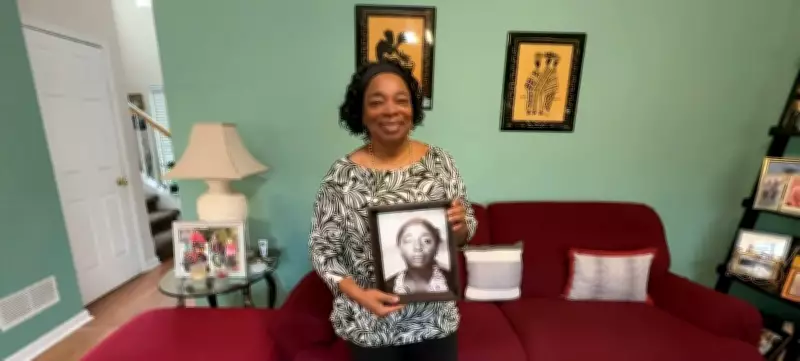
The board's work has already yielded tangible results. For instance, a DeKalb County woman recently discovered the truth about her grandmother's fate after the release of previously sealed documents. This case exemplifies how the review process is not just about academic research but about restoring dignity and answers to grieving families.
These investigations focus on incidents from the civil rights era, many of which were inadequately documented or deliberately obscured due to systemic biases. By leveraging modern forensic techniques and archival diligence, researchers aim to correct historical omissions and ensure that victims are not forgotten.

The Role of the Review Board
Established to address gaps in historical accountability, the Civil Rights Cold Case Review Board operates under a mandate to declassify and analyze records related to unsolved racial crimes. Its efforts involve:
- Collaborating with local law enforcement and community organizations.
- Utilizing digital tools to cross-reference historical data.
- Engaging with descendants and advocates to piece together fragmented narratives.
This multidisciplinary approach is crucial for overcoming the challenges posed by time and institutional silence. As more records become accessible, researchers anticipate a surge in resolved cases, potentially reshaping public understanding of America's civil rights struggles.
Broader Implications for Justice
Beyond individual cases, this work underscores a growing national reckoning with racial violence. It highlights the enduring impact of unresolved trauma on communities and the importance of transparent historical inquiry. Experts argue that such initiatives are vital for fostering reconciliation and informing contemporary discussions on equity.
As the board continues its investigations, it sets a precedent for how societies can address dark chapters with rigor and compassion. The ongoing efforts remind us that justice, though delayed, remains a pursuit worth championing for future generations.






