

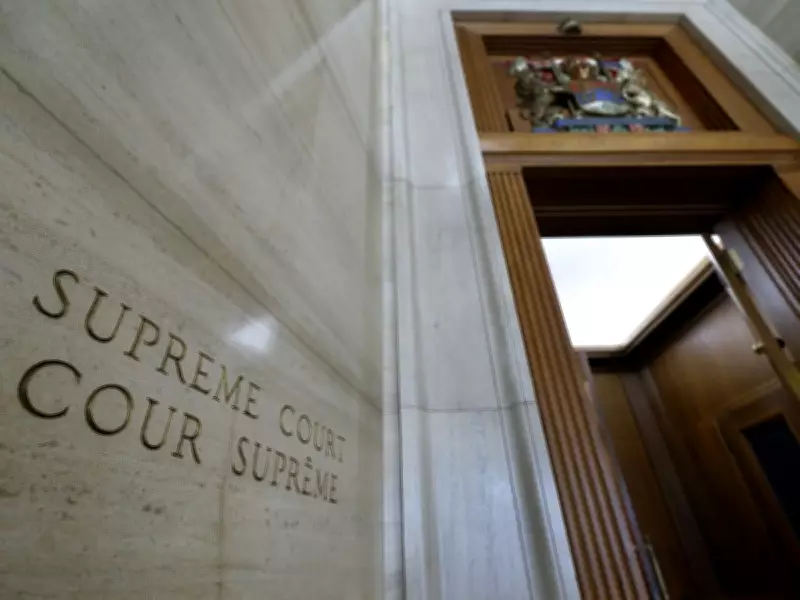
Quebec Defends Bill 21, Says Voters Should Decide Law's Fate
Quebec has told the Supreme Court of Canada that politicians and voters—not judges—should determine the future of the province's secularism law, known as Bill 21. The provincial government argued on Tuesday that its use of the Constitution's notwithstanding clause to protect the legislation from Charter of Rights and Freedoms scrutiny is legally valid and beyond judicial review.
Legal Battle Over Secularism Law Intensifies
Lawyer Isabelle Brunet, representing the Attorney General of Quebec, presented the province's position to Canada's highest court. She maintained that the use of the notwithstanding clause to pre-emptively shield Bill 21 from certain Charter protections is legally sound and should not be subject to judicial examination.
Bill 21 prohibits public school teachers, police officers, and other authority figures from wearing religious symbols while performing their duties. The law has faced significant opposition from various groups, including the English Montreal School Board, religious minorities, and civil rights organizations.

Opponents Seek Limits on Notwithstanding Clause
Opponents of the legislation are asking the Supreme Court to either strike down Bill 21 entirely or place restrictions on the use of the notwithstanding clause. At minimum, they want the court to declare that the law would have violated Charter rights, even if the notwithstanding clause keeps it in effect.
The case has drawn national attention, with critics arguing that Bill 21 discriminates against and stigmatizes religious minorities. Meanwhile, provincial governments such as Ontario and Alberta have defended provinces' rights to invoke the notwithstanding clause.
Historical Context and Parliamentary Sovereignty
Brunet emphasized that the notwithstanding clause resulted from a "pivotal, historic political compromise" in 1982, when some provinces insisted on its inclusion before agreeing to the patriation of the Constitution. She argued that the clause was designed to preserve parliamentary sovereignty, meaning courts should not examine the substance of laws protected by it.
"Once the clause is properly invoked, courts may only check whether the formal requirements were met, not whether the law violates Charter rights," Brunet stated.
Concerns About Judicial Overreach
Brunet warned that courts issuing declaratory judgments about rights violations would undermine the purpose of the notwithstanding clause and could create public confusion. "This would invite the court into the political arena," she said. "Only the voters can debate the wisdom or value of legislative decisions."
She further argued that the wording of the notwithstanding clause allows for pre-emptive use without requiring governments to prove a rights violation or provide substantive justification.
Supreme Court Justices Press Quebec's Position
During the hearing, some justices questioned whether the Supreme Court could acknowledge a Charter violation even if the law remains valid under the notwithstanding clause. Brunet rejected this idea, stating it would undermine the clause's purpose.
Chief Justice Richard Wagner raised concerns about potential future misuse of the clause by authoritarian governments. Brunet responded that the notwithstanding clause is part of the Constitution and "deserves to be respected just like the other rights and freedoms mentioned therein."
"We must trust our democracy," Brunet added. "Elected representatives and the electorate are also guardians of the Constitution, and we must assume that the government will govern itself in the public interest."
The Supreme Court's decision in this landmark case could have significant implications for the balance between parliamentary sovereignty and Charter rights across Canada.






