

Air Canada's Bilingual Mandate Faces Scrutiny After LaGuardia Crash
The recent tragic collision at New York's LaGuardia airport, where an Air Canada jet struck a fire truck on the runway, resulted in the deaths of two pilots and injuries to forty others. In response, Canadian politicians have labeled the incident a "crisis" and "unacceptable." However, their focus has shifted away from aviation safety concerns to linguistic issues, highlighting a recurring national debate.
Political Backlash Over Unilingual Statement
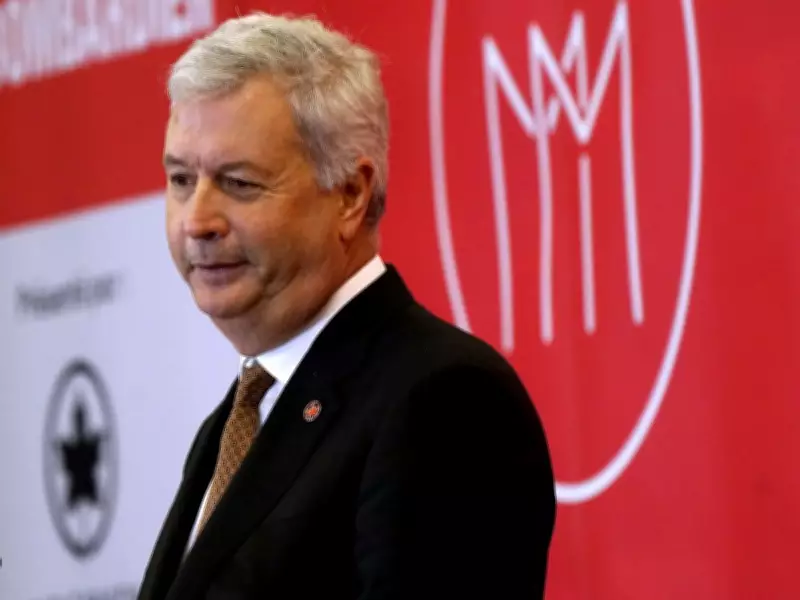
Air Canada CEO Michael Rousseau released an English-language video shortly after the crash to offer condolences and provide updates. This action triggered immediate backlash, with the House of Commons official languages committee unanimously expressing "strong indignation" and compelling Rousseau to testify. Despite his subsequent formal apology, Quebec MNAs unanimously called for his resignation, criticizing his lack of French proficiency.
In his apology, Rousseau stated, "Despite many lessons over several years, unfortunately, I am still unable to express myself adequately in French." This is not his first encounter with language-related controversy; in 2021, shortly after his appointment, an English-language speech in Montreal drew criticism and led to previous committee hearings.

Historical Context and Regulatory Burden
The controversy stems from Air Canada's historical status as a Crown corporation. In the late 1980s, Prime Minister Brian Mulroney privatized the airline, which once held a virtual monopoly, leading to increased consumer choice and lower costs. However, the privatization raised questions in Quebec about whether Air Canada would remain bound by the Official Languages Act (OLA), a requirement that many argue is unnecessary for a private entity.
Critics, including columnist Jesse Kline, question why a private air carrier must adhere to the OLA, especially in an era where AI translators can bridge language gaps efficiently. Quebec's French language minister, Jean-François Roberge, criticized Rousseau for not reading a pre-written French statement, but others argue that during a crisis, timely communication in any language is more critical than linguistic perfection.
Broader Implications and Future Considerations
This incident underscores a broader tension between linguistic policies and practical realities. Learning a second language is challenging, particularly for adults managing large corporations like Air Canada. The focus on Rousseau's language skills, rather than the crash's causes, raises concerns about national priorities.
As technology advances, with tools like auto-translate buttons readily available, the necessity of imposing bilingual mandates on private companies becomes increasingly debatable. The debate continues as Canada navigates the balance between preserving linguistic heritage and adapting to modern efficiencies.






