

Adamson BBQ Owner's Constitutional Challenge Over COVID Lockdowns Heads to Court
In a legal battle that has been years in development, the constitutional challenge brought by former Adamson Barbecue owner Adam Skelly against COVID-19 lockdown measures is scheduled for a courtroom hearing this week in Toronto. The case represents a significant legal examination of government actions during the pandemic and their impact on fundamental rights.
The Barbecue Rebellion Revisited
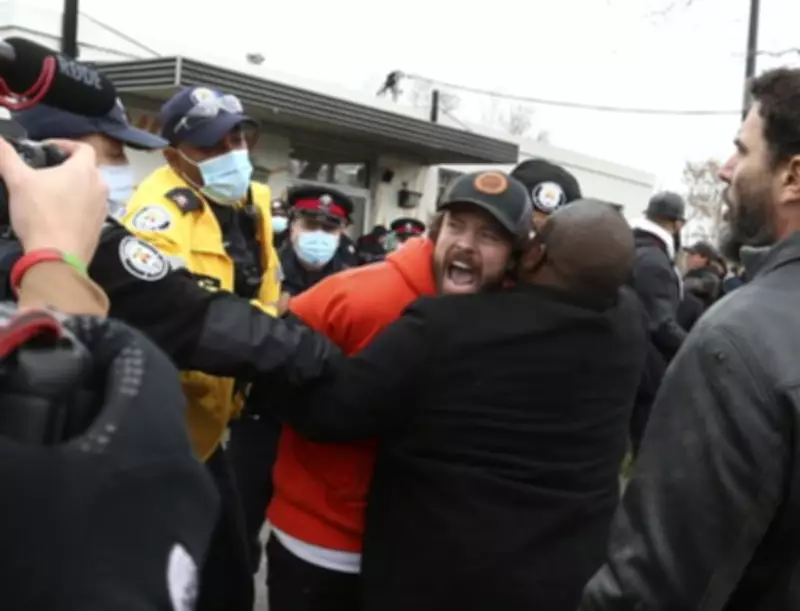
The legal proceedings stem from what became known as the Barbecue Rebellion in November 2020, when Skelly openly defied public health orders by continuing to serve meals at his Etobicoke restaurant during a provincial lockdown. This act of civil disobedience sparked widespread attention and debate about the balance between public health measures and individual freedoms during the pandemic.
Although Skelly's restaurants have since closed and he has relocated to Alberta, his legal team continues to pursue what they describe as a necessary reckoning with government overreach during the pandemic era. The hearing is set to take place from Wednesday through Friday at the University Avenue courthouse in Toronto.

Charter Allegations and Legal Arguments
Skelly's legal representatives from Perrys LLP have filed documents alleging multiple violations of the Canadian Charter of Rights and Freedoms. The filing specifically claims infringements against Skelly's freedom of peaceful assembly and protection from arbitrary detention. The respondents named in the challenge include the province of Ontario, the City of Toronto, Toronto's board of health, and former medical officer of health Dr. Eileen de Villa.
The legal documents state: "This constitutional challenge is a reckoning with the unchecked exercise of state power that devastated small business owners, silenced peaceful dissent and trampled core constitutional protections, all without a shred of cogent evidence to justify the destruction." It is important to note that these allegations have not been proven in court.
Police Response and Financial Consequences
The legal filing details the substantial police response to Skelly's defiance of lockdown orders. On November 26, 2020, Skelly was arrested after breaking into his own property, with the operation involving over 200 Toronto Police officers. The city subsequently sought more than $187,000 from Skelly in a civil action to recover policing costs.
According to the documents, Skelly has faced significant financial burdens throughout the legal process, paying tens of thousands in costs beyond the substantial policing expenses claimed by the city. His criminal charges and the civil action brought by Toronto have been stayed pending the resolution of this constitutional application.
Questioning the Evidence Behind Lockdown Measures
Skelly's legal team argues that the evidence supporting restaurant closures and assembly restrictions was "alarmingly thin." The filing contends that "the record discloses no evidence that closing restaurants or prohibiting peaceful assembly would have meaningfully reduced COVID-19 transmission."
During pre-hearing examinations, Dr. Eileen de Villa acknowledged that her Class 22 order, which barred indoor dining and closed certain businesses, was unprecedented. She also conceded that there was no interval between the implementation of the red zone restrictions and her order, stating during questioning: "Yes, that is fair."
Historical Context and Broader Implications
The Adamson Barbecue protest, while shorter in duration than the 2022 Freedom Convoy demonstration in Ottawa, represented a significant political flashpoint in Toronto during late 2020. Skelly's stated purpose, according to the legal filing, was "to begin a public conversation about lockdown measures he believed were disproportionate, unscientific and ruinous to small businesses, and to invite legal scrutiny of their lawfulness."

As this constitutional challenge moves forward, it raises important questions about government authority during public health emergencies, the evidence required to justify restrictive measures, and the protection of charter rights in extraordinary circumstances. The outcome could establish significant precedents for how similar situations might be handled in future public health crises.





