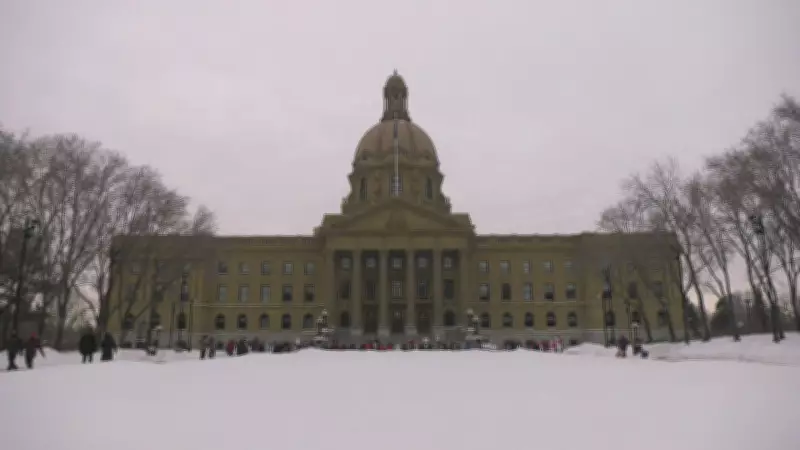
Alberta Separation Referendum Sparks Bipartisan Discontent Ahead of Vote
In a surprising twist, both proponents and opponents of Alberta's separation from Canada have voiced strong dissatisfaction with the upcoming referendum, scheduled for later this year. The political landscape in Alberta has become increasingly polarized, yet critics from across the spectrum are united in their disapproval of the referendum process itself.
Referendum Called 'Distraction' and 'Gaslighting'
Opponents of separation have labeled the referendum a "distraction" from more pressing provincial issues, while some supporters have accused the government of "gaslighting" voters through misleading campaign tactics. This rare bipartisan criticism highlights the deep divisions and frustrations surrounding the separation debate.
"The timing and framing of this referendum feels deliberately manipulative," said one political analyst who requested anonymity. "Both sides recognize that the process has been compromised, creating an atmosphere of distrust that undermines democratic principles."

Premier Forms Bipartisan Committee
In response to growing concerns, Alberta's Premier has announced plans to form a bipartisan committee to discuss the "Forever Canadian" campaign. This committee aims to address constitutional questions and provide a platform for diverse perspectives, though skeptics question whether it will have any real impact on the referendum outcome.
According to legal experts, any changes to the Canadian Constitution would require agreement from voters and multiple levels of government, making separation an extraordinarily complex process. An Alberta law professor emphasized that constitutional amendments cannot be achieved unilaterally, regardless of referendum results.
Broader Political Context
The separation debate occurs against a backdrop of significant national developments:
- Indigenous leaders have outlined priorities for the spring sitting of Parliament
- Canada has named a new chief public health officer
- The country's envoy to Greenland seeks "concrete" gains in the new diplomatic post
- Various provincial issues continue to demand attention, from healthcare to economic policy
Critics argue that the separation referendum diverts resources and political capital from these pressing matters, creating unnecessary division at a time when unity and practical governance are most needed.
Looking Ahead
As the referendum date approaches, political observers predict increased tension and rhetoric from both sides. The bipartisan committee formation represents an attempt to moderate the debate, but many question whether it can overcome the fundamental disagreements about Alberta's future relationship with Canada.
The coming months will test Alberta's political institutions and the patience of its citizens, who must navigate complex constitutional questions while addressing immediate provincial concerns. The outcome could have lasting implications for Canadian federalism and interprovincial relations across the country.