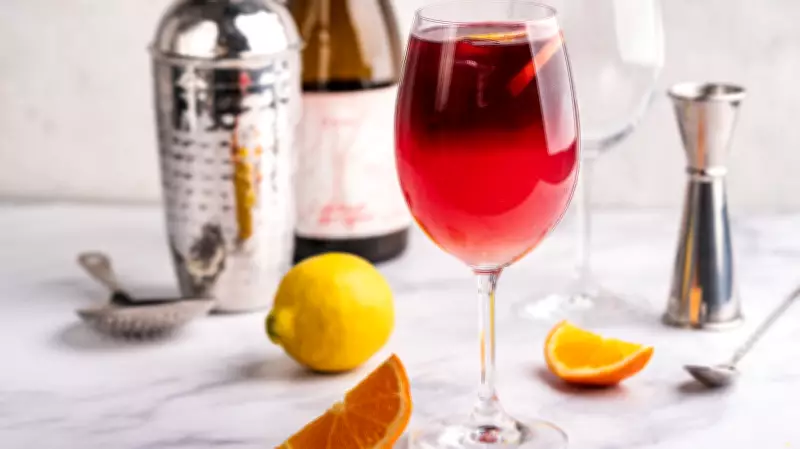
Tinto de verano, which translates to "red wine of summer" in Spanish, is a beloved summer beverage in Spain that is now gaining traction in the United States. This simple, refreshing drink consists of equal parts red wine and citrus soda, served over ice with a citrus twist. Unlike sangria, it contains no additional spirits, sugar, or chopped fruit, making it lighter in both alcohol and sweetness.
A Hidden Secret with a Rich History
Mixologists describe tinto de verano as a long-known "hidden secret" among Spanish locals. Jeff Koehler, a cookbook author who has lived in Spain for decades, enjoys it casually at home or at beachside bars. The drink dates back over 100 years, reportedly created by Federico Vargas, owner of Venta de Vargas bar in Córdoba, Spain, during an intense summer heat wave. He mixed red wine with a carbonated soft drink, and the light, effervescent concoction quickly became a classic.
Linda Trotta, director of winemaking at Bread & Butter Wines, notes that in Spain, tinto de verano is an everyday social drink perfect for summer gatherings. Tiffanie Barriere, known as "The Drinking Coach," emphasizes its simplicity: "Tinto de verano is one of those drinks that reminds you that not everything needs to be complicated to be good."

How to Make Tinto de Verano
The key to this drink is respecting its refreshing, approachable nature. Trotta provides simple instructions: mix equal parts red wine and lemon soda over ice, taste, and adjust. Garnish with a lemon or orange slice if desired. The recipe requires only two ingredients and no complex techniques.
Choosing the Red Wine
Koehler recommends a lighter, young, and fruity red wine, but notes that any simple table wine works. Barriere suggests a fresh, fruit-forward wine without too much tannin, ideally a $10 to $15 bottle that is enjoyable when slightly chilled. Ivy Mix, owner of Brooklyn's Whoopsie Daisy bar, advises against using extremely cheap wine, as quality matters even in a simple drink.
Selecting the Fizzy Component
In Spain, gaseosa (soda) like La Casera brand is traditional. For alternatives, Barriere recommends Spanish-style limón soda or brands like Jarritos, Boylan, or Squirt. Trotta prefers San Pellegrino Limonata for its balanced citrus flavor. A slice of citrus can be added to balance sweetness.
Room for Improvisation
While the classic recipe is straightforward, variations exist. Mix's bar uses bitter Italian limonata instead of Fanta soda, served over crushed ice for a dramatic look. The drink's simplicity allows for personal touches without overcomplicating it.
Part of a Larger Trend
Tinto de verano fits into a growing trend of wine cocktails that are approachable and less serious. Trotta notes that consumers are gravitating toward lower-alcohol drinks that are easy to enjoy on warm days. "A wine cocktail is a perfect, lighter alternative compared to a traditional, high-ABV cocktail," she says. Barriere sums it up: "Sometimes the best drink of summer is the one that doesn't try too hard."