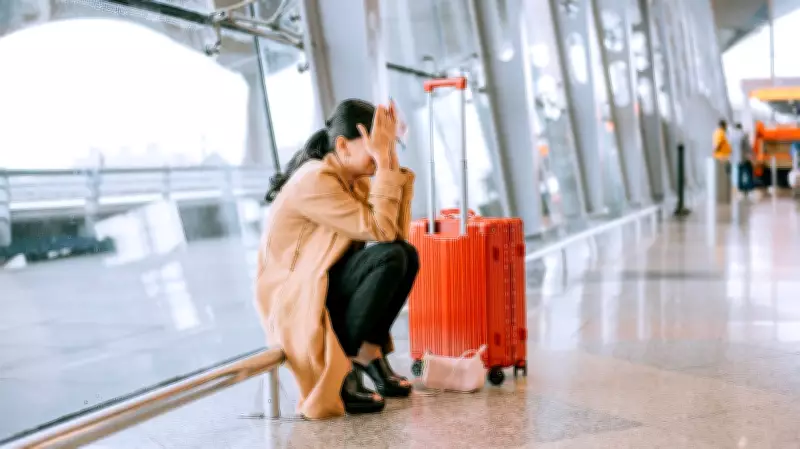
Rage Booking: The Impulsive Travel Response to Modern Stress
In today's relentless news cycles and overwhelming daily pressures, many people experience a powerful urge to escape everything. This emotional response has given rise to a phenomenon called "rage booking" – the impulsive decision to book travel as an immediate reaction to stress, frustration, or burnout.
Understanding the Emotional Travel Economy
Travel writer Rocky Trifari defines rage booking as "the impulsive decision to book travel as an emotional response. It is often triggered by stress, frustration, burnout or negative news cycles. Instead of carefully planning a trip over time, people act quickly, using travel as an immediate escape or reset."
Lauren Gumport, vice president of communications and brand at Faye Travel Insurance, explains that "Americans are dealing with overlapping stressors, including current events, economic pressure, job strain and a heavy news cycle, while also viewing travel as a key form of self-care."

Faye's travel trends report identifies rage booking as part of what they call "the emotional travel economy." Gumport notes that "the term 'rage booking' has emerged alongside rising burnout levels, with 52% of Americans reporting they currently feel burnt out, and reflects a shift toward using travel as an immediate coping mechanism rather than something carefully planned in advance."
The Psychology Behind Impulsive Travel
Younger travelers, particularly millennials and Generation Z, are driving this trend. "The current climate has likely amplified this behavior," Trifari observes. "People are more constantly exposed to stressful information than ever before, and it creates a sense of mental fatigue and lack of control. Travel becomes a way to reclaim that control by physically removing yourself from the stressful environment."
Travel blogger Esther Susag adds: "I think a lot of people are feeling mentally and emotionally overloaded right now. When the news cycle feels constant and heavy, it's hard to fully disconnect, even when you try."
Faye's survey data reveals that key drivers of burnout among travelers include financial anxiety (61%), the economy (54%), politics (43%) and the news (41%). Gumport explains that "rage booking is closely tied to the emotional weight of current events. Constant exposure to stressful headlines and uncertainty is pushing people to seek escape, with travel becoming a way to temporarily disconnect for some."
The Benefits and Drawbacks of Impulsive Travel
There are clear advantages to rage booking. "It can provide something immediate to look forward to, break negative thought patterns and create a sense of autonomy," Trifari notes. "In many cases, a change in environment genuinely improves mood and perspective."
According to Faye's survey, 83% of travelers who rage-booked a trip reported feeling better. "Many report noticeable emotional relief within a few days of their trip," Gumport says. "Travel creates distance from stress and offers something to look forward to."
Susag emphasizes that "travel offers something really different. It physically removes you from that environment and gives you space to breathe again. Even small things like being in a new place, hearing a different language or just having a different daily rhythm can shift your perspective."
However, there are potential downsides to consider. "The impulsive nature can lead to overspending or unnecessary stress if things aren't thought through at all," Susag warns. "I also think there's a subtle downside if people expect travel to solve deeper issues. It can absolutely help you reset, but it's not a long-term fix for everything."
Trifari similarly cautions that "impulsivity can lead to poor decisions – overpaying, choosing inconvenient itineraries or traveling without fully considering logistics."
Making Rage Booking Work for You
Experts recommend adding intention to the impulsive process. "If someone feels the urge to rage book, I would suggest introducing a short pause – 24 hours, if possible – to refine the decision rather than cancel it," Trifari advises. "Use that time to check logistics, budget and whether the destination truly aligns with what you need – relaxation vs. stimulation, nature vs. city."

Gumport notes that "according to survey takers, rage booking is less about luxury and more about relief. Travelers are prioritizing connection, affordability and nature-focused trips, signaling that travel is increasingly viewed as an emotional necessity rather than a discretionary indulgence."
Susag recommends maintaining spontaneity while adding structure: "Even a short pause before you book to ask yourself what you actually need out of the trip can make a big difference. If you're feeling burned out, maybe that looks like a slower, more restful destination rather than packing your schedule."
Toni Ambler, chief customer officer for social group travel company Contiki, observes that "there's also an instant mindset shift that happens when someone books that trip. The moment it's confirmed, the stress starts to fade and the anticipation kicks in. Group travel can make that even easier, since much of the planning is already taken care of."
Ultimately, managing expectations is crucial. "The goal doesn't have to be a perfect trip," Susag concludes. "It's just about giving yourself a change of pace and a bit of breathing room. That alone can do a lot."
Trifari suggests shifting "the mindset from 'escape' to 'intentional reset.' When travel is framed that way, the experience tends to be more fulfilling, positive, and less reactive."