In the face of mounting economic challenges and societal pressures, a growing number of Russians are turning to unconventional sources of guidance and hope. Witchcraft, fortune-telling, and various occult practices are experiencing a notable resurgence across the country, as individuals seek answers and comfort beyond traditional avenues.
A Cultural Shift in Difficult Times
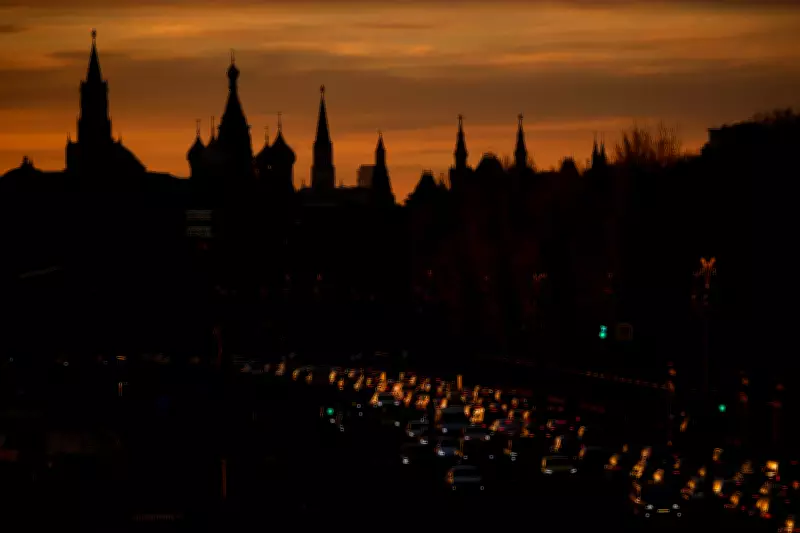
This trend highlights a significant cultural shift, where ancient beliefs and mystical traditions are being revived amidst modern struggles. Reports indicate that consultations with psychics, purchases of talismans, and participation in ritualistic ceremonies have become more common, particularly in urban centers like Moscow and St. Petersburg.
Seeking Solace and Solutions
Experts suggest that the appeal of witchcraft lies in its promise of control and clarity during periods of uncertainty. Economic instability, geopolitical tensions, and personal hardships have left many feeling powerless, driving them to explore spiritual and supernatural alternatives for problem-solving and emotional support.

"When conventional systems seem to fail, people often look to the mystical for reassurance," notes a sociologist familiar with the phenomenon. This search for meaning extends beyond mere curiosity, reflecting a deeper desire for stability and predictability in an unpredictable world.
The Practical Side of the Occult
The resurgence is not just spiritual but also economic, with a burgeoning market for related services and products. Practitioners offer a range of services, including:
- Fortune-telling and tarot card readings
- Love spells and relationship consultations
- Financial luck rituals and prosperity charms
- Protection against negative energies and hexes
This commercialization of witchcraft has created a niche industry, catering to diverse needs and demographics. From online platforms to physical storefronts, accessibility has increased, making these practices more mainstream than ever before.
Historical Context and Modern Adaptation
Russia has a long history of folk magic and superstition, deeply rooted in Slavic traditions. Today's practices often blend these ancient elements with contemporary influences, creating a unique fusion that resonates with modern sensibilities. The adaptation of witchcraft to address current issues—such as job insecurity, health concerns, and relationship problems—demonstrates its evolving role in society.
While some view this trend as a harmless coping mechanism, others express concern about potential exploitation and the avoidance of practical solutions. Nonetheless, the growing interest in the occult underscores a broader search for hope and agency during tough times.
As economic conditions remain challenging, this turn to witchcraft may continue to rise, reflecting a complex interplay between tradition, desperation, and the human need for belief in something greater.