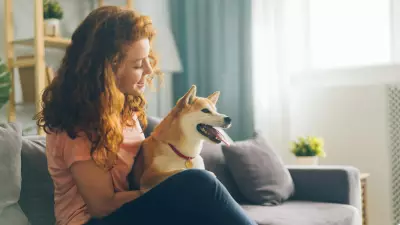
If you own a dog, you likely know that few things compare to a warm, affectionate cuddle. Snuggling up with your furry friend can significantly enhance your well-being, reduce stress levels, and even help lower blood pressure. Interestingly, dogs reap just as many benefits, if not more, from these moments of closeness. Cuddling with their human companions makes them feel secure, strengthens the emotional bond, and improves their overall mood. However, this positive experience hinges on one crucial rule: avoid sneaking up on them, especially when they're lost in dreams of treats and squirrels.
The Risks of Surprising a Sleeping Dog
While it might be tempting to cuddle your dog as they snooze on the couch, approaching them while asleep or off-guard can startle and upset them. "They hate it! It's not fair," emphasized Margaret M. Duxbury, a board-certified veterinary behaviorist from Minneapolis, Minnesota. Her straightforward advice: "If possible, let a sleeping dog lie." Nicole Skeehan, a dog trainer and owner of Philly Unleashed, suggested considering how you might react if someone invaded your personal space during a nap or while focusing on work. You would likely feel taken aback or even irritated. "If we can understand this reaction in human terms, why are we surprised when our dogs react the same way?" she questioned.
How Dogs Communicate Discomfort
Dogs can become surprised or agitated when approached unexpectedly, particularly during sleep, playtime with toys, or while enjoying a snack. Valli Parthasarathy, a veterinary behavior specialist and co-founder of Synergy Veterinary Behavior in Portland, Oregon, explained that reactions vary widely. Some dogs may growl or snap, while others might scoot away or, in severe cases, hide and shiver. Certain pups may merely give a hard stare or continue sleeping peacefully, but this does not mean they enjoy a surprise pet. "These behaviors are how dogs communicate their need for space, yet many people struggle to accept or respect those signals," Skeehan noted. It's essential to remember that every dog will react differently based on individual factors.

Factors Influencing Canine Reactions
Several elements can impact how your dog responds to unexpected approaches. Early life experiences play a significant role; dogs that were abused or lacked proper socialization as puppies may react more negatively, as these experiences shape what they perceive as threatening or scary. Personality also matters. "A dog of any breed might be outgoing or reserved, touch-loving or touch-averse, expressive or stoic — and these traits influence how they react when uncomfortable," Skeehan said.
Additionally, a dog's comfort level with you and their environment affects their response. Dogs are often more tolerant and forgiving with trusted individuals. For instance, a dog may barely react if their trusted owner crosses a boundary, but they might have a stronger response if a stranger does the same, Skeehan explained. Finally, health conditions can influence reactions. "A dog with arthritis in the hips may be more sensitive to being touched in that area," Parthasarathy added.
Best Practices for Approaching and Petting Dogs
There are effective ways to approach and pet a dog that ensure comfort for both parties. According to Duxbury, many dogs enjoy being petted or cuddled, but they desire a say in the duration and the person involved. In general, avoid assuming your dog always wants to be touched. Instead, invite them into your space rather than forcing a cuddle. "This lets them decide whether they're in the mood for interaction," Skeehan advised.
Step-by-Step Guidelines
When approaching dogs, Parthasarathy recommends first ensuring they are aware of your presence by walking up from a position where they can see you. Duxbury cautioned against waking a dog by touching them and advised avoiding bending over or looming above them, as this can make them feel threatened. A better method to initiate interaction is to call their name or crinkle a treat bag or toy to awaken them gently. For deaf dogs, placing a smelly treat near their nose can work. Then, give them time to get up and reorient with their surroundings before letting them approach you.

Most dogs prefer scratches on their chest, shoulders, back, and under their neck rather than the top of their head. Start with a few gentle tickles and observe their reaction. If they want more, they'll move closer or paw or nudge your hand, Duxbury said. However, if the dog moves away, avoids your hand, or acts aggressively, they are clearly indicating they do not want further touches. Paying attention to and respecting your dog's body language and behavioral cues can build long-term trust and mutual understanding. "It's amazing how much closer our relationships become when dogs have this open line of reciprocal communication," Duxbury concluded.