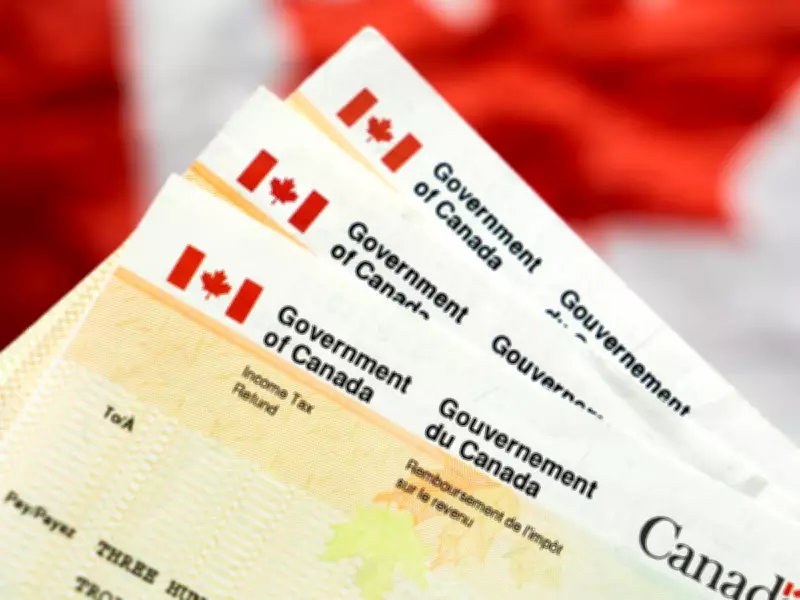
Receiving a tax refund, especially an unexpected one like $3,500, can feel like a financial windfall. Instead of impulsive spending, it presents a valuable opportunity to strengthen your financial stability. With many individuals facing high living costs and depleted savings, making a smart choice is crucial.
Weighing Your Options: Debt vs. Savings
When deciding how to use your tax refund, the primary dilemma often lies between paying down high-interest credit card debt and rebuilding an emergency fund. Credit card debt is notoriously expensive, with interest charges consuming a significant portion of payments, making it harder to reduce balances over time. Using a lump sum like a refund can immediately lower interest costs and free up future cash flow.
On the other hand, focusing solely on debt repayment can leave you vulnerable to unexpected expenses, such as car repairs or medical bills, which might force you back into debt. Rebuilding emergency savings provides a cushion to break this cycle, ideally covering at least six months of expenses for greater security.

The Blended Approach: A Practical Solution
In many cases, the most effective strategy is a balanced one. With a $3,500 refund, consider allocating a portion to emergency savings and the rest to credit card debt. This approach reduces interest costs while creating a financial buffer for surprises. For example, setting aside $1,500 for savings and using $2,000 for debt can enhance both immediate stability and long-term well-being.
If your emergency fund is already started and your income is stable, leaning more toward debt repayment may be beneficial, especially with high interest rates. Conversely, if savings are severely depleted, prioritizing a cushion can prevent future reliance on credit.
Making an Informed Decision
To maximize your refund, assess your personal financial situation. Use online calculators to estimate debt repayment timelines or savings growth. Consulting with a non-profit credit counsellor can provide tailored advice for managing multiple debts. Ultimately, having a plan before the funds arrive helps avoid impulsive spending and aligns the money with your goals, whether reducing stress, improving budget flexibility, or preparing for future expenses.
By taking proactive steps, such as this balanced approach, you can turn a tax refund into a tool for lasting financial progress and peace of mind.