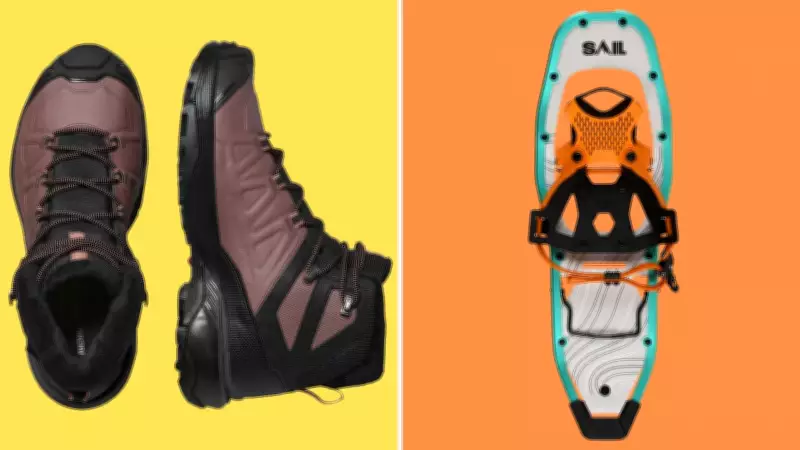
Winter hiking offers a unique and breathtaking way to experience nature's serene beauty, but it demands careful preparation with specialized gear to ensure safety and enjoyment. Unlike summer trails, snowy and icy conditions present distinct challenges that require robust equipment designed for cold weather. This guide outlines the essential gear every hiker should consider before embarking on a winter adventure, helping you stay warm, dry, and secure in harsh environments.
Footwear and Traction Systems
Proper footwear is the foundation of a successful winter hike. Insulated, waterproof boots with sturdy soles are crucial to keep feet warm and prevent moisture ingress from snow. Look for boots rated for sub-zero temperatures, often featuring materials like Gore-Tex for breathability and Thinsulate for insulation. Pair these with moisture-wicking socks made from wool or synthetic blends to avoid blisters and frostbite.
Additionally, traction devices such as microspikes or crampons are indispensable for navigating icy or slippery terrain. Microspikes provide grip on packed snow and ice, while crampons offer more aggressive traction for steep or glacier-covered paths. Always check trail conditions beforehand and choose accordingly to prevent slips and falls.

Layering and Insulation
Mastering the art of layering is key to regulating body temperature in fluctuating winter conditions. Start with a moisture-wicking base layer, such as merino wool or polyester, to draw sweat away from the skin. Add an insulating mid-layer, like a fleece or down jacket, to retain heat. Top it off with a waterproof and windproof outer shell to shield against snow, rain, and chilling winds.
Don't forget accessories: insulated gloves or mittens, a warm hat, and a neck gaiter or balaclava protect extremities from frostbite. Pack extra layers in your backpack, as temperatures can drop rapidly, especially at higher elevations or during extended hikes.
Navigation and Safety Tools
Winter landscapes can be disorienting with snow cover obscuring trails, making reliable navigation tools essential. Carry a detailed map and compass, and know how to use them, as electronic devices may fail in cold weather. A GPS device or smartphone with offline maps serves as a backup, but ensure batteries are fully charged and kept warm to prevent drainage.
Safety gear should include a headlamp with extra batteries for limited daylight hours, a whistle for emergencies, and a first-aid kit tailored for cold-weather injuries like hypothermia. Consider bringing an emergency shelter, such as a bivy sack or space blanket, in case you need to wait out a storm or unexpected delay.
Hydration and Nutrition
Staying hydrated and fueled is critical in cold weather, where dehydration can occur unnoticed. Use insulated water bottles or hydration bladders with insulated tubes to prevent freezing. Pack high-energy snacks like nuts, chocolate, or energy bars that won't freeze solid, and consider a thermos with a hot drink for warmth and morale.
Plan your route with breaks in mind, and consume small amounts regularly to maintain energy levels. Avoid alcohol, as it can increase heat loss and impair judgment in risky conditions.
Backpack and Essentials
A durable, weather-resistant backpack with enough capacity for all your gear is vital. Look for features like hydration sleeve compatibility and external attachment points for items like ice axes or trekking poles. Trekking poles with snow baskets provide stability on uneven terrain and reduce strain on joints.
Always check weather forecasts and trail reports before heading out, and inform someone of your plans and expected return time. With the right gear and preparation, winter hiking can be a rewarding and safe way to embrace the season's wonders.