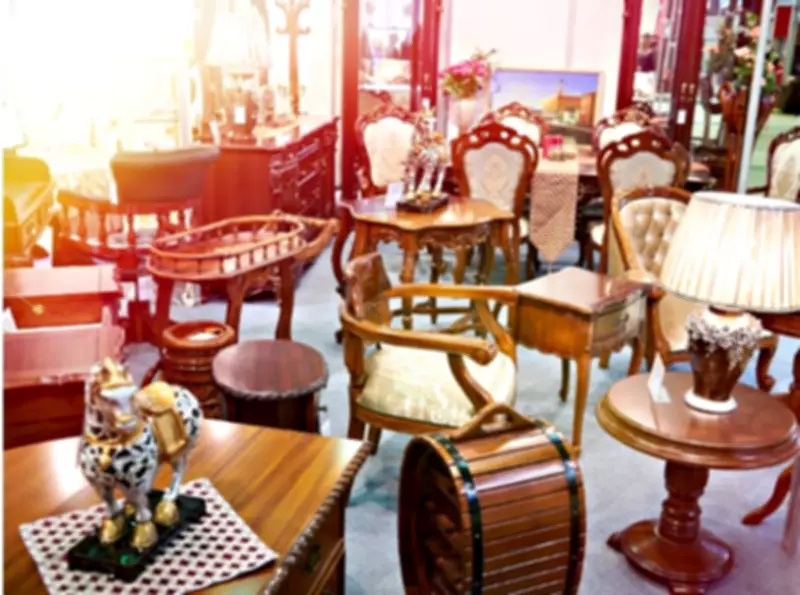
The Rise of Second-Hand Style: Why Thrifting Furniture is Dominating 2026 Home Design
In an era dominated by mass-produced uniformity, homeowners across North America are increasingly turning to vintage and second-hand items to create living spaces that feel genuinely personal and unique. This movement represents a significant shift away from "fast furniture"—those inexpensive, often poorly-made items that have flooded the market in recent years.
"One home habit shifting in 2026 is a move toward more unique, personal pieces, with many homeowners turning to thrifting and second-hand finds," explains interior designer Stephanie Calderon in an interview with TheSpruce.com. "As AI and mass-produced design become more common, people are craving homes that feel human, layered, and imperfect."
The Data Behind the Trend
This isn't just anecdotal evidence. Pinterest's 2025 Fall Trend Report revealed dramatic spikes in searches for vintage items, with "vintage tiles" searches increasing by 1,107%, "art deco vintage" by 805%, and "1920s kitchen original" by 494%. These numbers confirm what designers have been observing: consumers are actively seeking authentic, character-filled pieces that tell a story.

The appeal of thrifted furniture extends beyond aesthetics. Second-hand pieces often prove more affordable than their new counterparts while offering superior craftsmanship and materials. Additionally, choosing pre-owned items represents a sustainable choice that reduces waste and environmental impact—a consideration that's increasingly important to modern consumers.
Mastering the Art of Thrifting: Four Professional Strategies
While the benefits of thrifting are clear, successfully incorporating second-hand pieces into your home requires strategy. The goal isn't to create a space that feels cluttered or accidentally dated, but rather to achieve a curated, intentional look that blends old and new harmoniously.
1. Develop a Strategic Shopping Plan
"This helps especially when walking into a thrift shop, antique mall, garage sale ... etc. where there is no guarantee of what you will find," says Calderon. "Sometimes that unpredictability is the magic of thrifting, and sometimes it can be the downfall."
Before you begin shopping, create a list of general items you're seeking and establish the overall aesthetic you want to achieve. Knowing your measurements is equally crucial—always bring a tape measure to ensure potential finds will fit your space properly. Regular visits to your favorite thrifting spots can also yield better results, as inventory changes frequently.
2. Embrace Creative Repurposing
"Keep in mind that not every item you come across while thrifting has to be used for its intended purpose," advises SouthernLiving.com. This creative approach can transform ordinary finds into extraordinary decor elements.
Consider these innovative repurposing ideas:
- Vintage crystal ashtrays can become elegant jewelry organizers or decorative candle bases
- Chic cocktail glasses make excellent makeup brush holders for vanities
- A brass trunk can function as both a coffee table and hidden blanket storage
3. Prioritize Structural Quality Over Surface Appearance
"Even if a piece of furniture doesn't speak to you fabric-wise, don't leave it behind if it has great bones otherwise," recommends GoodHousekeeping.com. This principle is particularly important for furniture that can be easily refinished or reupholstered.
One writer recalled finding an accent chair on Facebook Marketplace with beautiful curved arms but unappealing yellowish-green upholstery. Through professional reupholstery with floral fabric from the Paris flea market, the piece was transformed into what she describes as "the grandmillennial perch of my dreams."
4. Achieve Visual Harmony in Your Space
"If a piece has a lot of character, let it be the focal point and keep surrounding elements simpler," advises Calderon. Successful vintage integration requires thoughtful balance and connection between pieces.

Look for common threads such as scale, tone, or material to help second-hand finds blend naturally with newer pieces. When executed effectively, vintage items don't appear random or out of place. Instead, they contribute to a space that feels intentionally designed, richly layered, and collected over time—exactly the human-centered aesthetic that 2026 homeowners are seeking.
The movement toward thrifted furniture and decor represents more than just a passing trend. It reflects a fundamental shift in how people approach their living spaces—valuing authenticity, sustainability, and personal expression over convenience and conformity. With these professional strategies, anyone can master the art of second-hand shopping to create a home that truly reflects their unique personality and values.