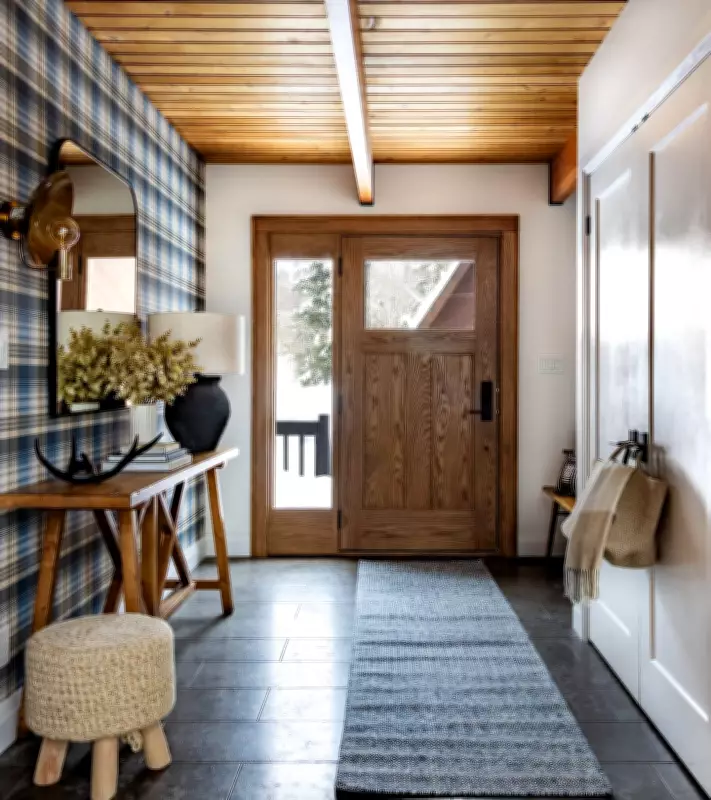
In an era often dominated by minimalist neutrals, bold heritage patterns like tartan and plaid are reclaiming the spotlight in interior design. From tailored sofas to dramatic drapery, these intersecting stripes are appearing in homes across the globe, signaling a cultural shift towards comfort, character, and meaningful design.
The Historical Roots and Modern Appeal
Tartan, originating in Scotland, was traditionally linked to specific families or regions, defined by a symmetrical arrangement of colored stripes known as a 'sett'. Plaid, a more general motif, includes any crisscross pattern forming squares or checks, such as buffalo check or madras. While all tartans are plaids, not all plaids are tartans, with tartan implying heritage and specificity.
Today, incorporating tartan into home decor feels like embracing a narrative of permanence and pride. In a time when quick-fix interiors can seem disposable, these heritage patterns offer a whisper of longevity and emotional warmth, evoking thoughts of cozy wool blankets and fireside evenings.

Design Strategies for Incorporating Tartan and Plaid
Even a single piece, such as a green tartan armchair or a navy plaid headboard, can instantly soften a room. Small injections like cushions or throws can shift the atmosphere from stark to welcoming, highlighting the importance of detailing in modern interiors.
The rise of maximalism has fueled this resurgence, with clients increasingly layering patterns, textures, and eras. Tartan and plaid thrive in these environments by providing structural balance amid visual abundance. For example, a bold tartan sofa can ground patterned wallpaper, while a monochrome plaid rug can balance brightly colored walls.
Scale and Adaptation in Contemporary Design
Modern interpretations often involve scaling traditional motifs to dramatic proportions or muting classic colors like reds and greens into softer palettes. These adjustments make old-school patterns feel current rather than nostalgic, allowing them to read as rustic, refined, or contemporary depending on the context.
Fashion's Influence and Sustainability
Interior design rarely moves independently from fashion, with heritage checks regularly showcased by luxury brands like Burberry and McQueen. British Vogue recently declared tartan a major street style trend for 2026, further driving its adoption in home decor.
Choosing classic patterns encourages longer-term thinking and sustainability. Tartan has endured for centuries, making it a timeless investment. Many traditional tartans are still woven in Scottish heritage mills, supporting regional industry and authenticity, which resonates in a design culture increasingly concerned with provenance.
Conclusion: The Enduring Appeal of Heritage Patterns
Tartan and plaid are making headlines because they offer a unique balance of structure and softness, history and adaptability, boldness and comfort. In a landscape once dominated by blank canvases, these intersecting lines reintroduce story and individuality to interiors. Their blend of meaning and warmth ensures they remain big news on the home front, promising lasting relevance in design trends.