






Elevating Home Design in 2026: Five Strategies for Sophisticated Spaces
2026 Home Design: Five Strategies for Sophisticated Spaces

Elevating Home Design in 2026: Five Strategies for Sophisticated Spaces

Creating a home that radiates elegance and refinement no longer demands extensive renovations or substantial financial resources. Instead, contemporary interior design emphasizes intentional choices, thoughtful restraint, and strategic allocation of design investments. In 2026, the concept of "expensive" has evolved beyond mere opulence to encompass careful material selection, understated sophistication, and environments that feel meticulously crafted rather than hastily assembled. Here are five intelligent design decisions that instantly elevate interior spaces, supported by expert insights from some of Toronto's most respected design professionals.

Invest in Fewer, Better Pieces

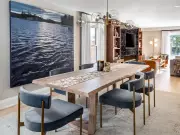
Jessica Cinnamon, Principal Designer and founder of Jessica Cinnamon Design Inc., emphasizes that achieving an upscale aesthetic begins with prioritizing quality over quantity. "When clients desire their home to feel more expensive, I consistently encourage them to invest in superior foundational materials," Cinnamon explains. "Upgrading elements like flooring, stone surfaces, and millwork creates the most significant impact. These are the components you interact with daily, and they quietly establish the tone for the entire residence."

Cinnamon clarifies that premium materials immediately communicate craftsmanship and durability. A solid hardwood floor, a carefully selected stone slab, or custom millwork "generates a sense of permanence and intention," she notes—an effect that cannot be replicated with trend-driven decorations or inexpensive furniture purchases.

For homeowners seeking to distinguish genuine quality from pieces that merely photograph well, Cinnamon recommends examining construction details: the weight of an item, the stability of its joints, and how finishes endure over time. Long, wide planks in walnut or European oak instantly enhance a space, while metals such as bronze and aged brass signal timeless beauty. "These materials develop character as they age, rather than appearing worn or outdated. They feel purposeful, not disposable." The ultimate result? Refined, enduring interiors where every element justifies its presence.

Paint with Intention

According to Golara Ghasemi, Creative Director and Principal Designer of Studio Golara Design, paint has transformed into a subtle architectural instrument. "Instead of relying on a single accent wall, we now utilize color to shape the entire space—wrapping walls, ceilings, trim, and even cabinetry in the same hue to create depth and cohesion." This methodology establishes mood, atmosphere, and character without incorporating physical ornamentation.

High-end design projects in 2026 are embracing soft, timeless neutrals alongside deeper nature-inspired tones: earthy greens, muted blues, and warm, complex neutral shades. These color palettes feel curated rather than trendy. To avoid colors that may age poorly, Ghasemi suggests sticking to shades found in natural materials and reserving bolder tones for elements that can be updated more easily, such as built-in furniture or interior doors.

One common mistake Ghasemi frequently observes? Treating paint selection as an afterthought. "Even a beautiful shade can appear lackluster if it doesn't respond appropriately to the room's lighting or architectural features," she elaborates. Considering ceilings, millwork, and natural illumination ensures the paint enhances the space rather than conflicting with it.

Additional Design Considerations for 2026

Beyond material investments and color strategies, several other approaches contribute to creating sophisticated interiors. Thoughtful lighting design, incorporating both natural and artificial sources, can dramatically transform spaces. Layered lighting solutions that include ambient, task, and accent illumination create depth and highlight architectural features.

Furthermore, incorporating sustainable and locally sourced materials aligns with contemporary values while adding unique character to homes. Custom furniture pieces that reflect personal style and functional needs often prove more valuable than mass-produced alternatives. Finally, maintaining negative space—allowing rooms to breathe rather than overcrowding them with objects—enhances the perception of luxury and intentional design.

By combining these principles with the expert guidance from Toronto's design community, homeowners can achieve elevated interiors that feel both luxurious and authentic. The 2026 approach to home design demonstrates that sophistication emerges not from excessive spending, but from mindful choices that prioritize quality, coherence, and enduring appeal.