Expert Guide: When and How to Plant Nasturtiums for Vibrant Summer Blooms
Gardening enthusiasts often debate the best practices for planting flowers and vegetables, with nasturtiums being a popular topic. In a recent discussion, one gardener planted nasturtium seeds outdoors about a month ago, raising questions about whether to seed indoors or directly in the garden and the ideal timing for this process.
Optimal Planting Methods for Nasturtiums
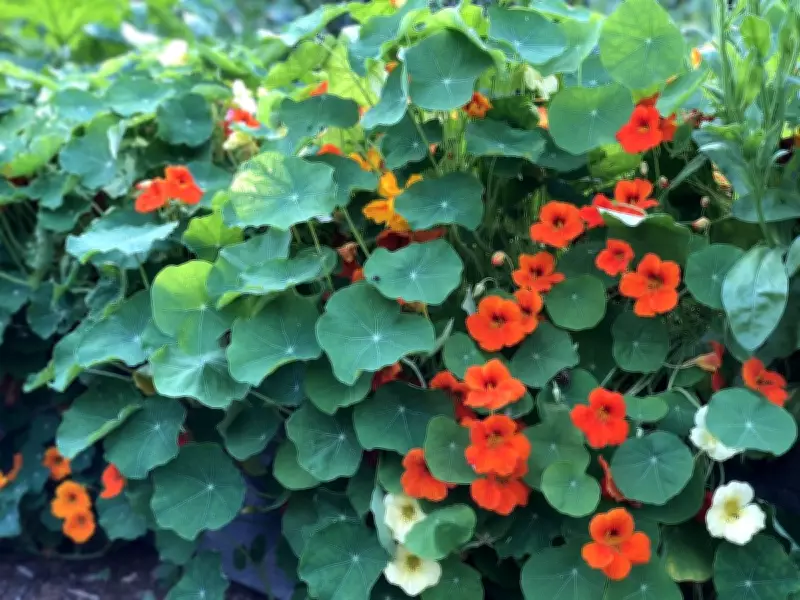
According to gardening expert Helen Chesnut, while nasturtiums can be seeded indoors, it is generally easier and more effective to plant the seeds directly into the garden. The key factor is soil temperature: seeds should be sown when the soil has begun to warm up, typically around mid-April. However, Chesnut notes that a cold spring can delay this warming, so gardeners should monitor local conditions closely.
Self-Sown Nasturtiums as a Timing Indicator

In gardens where faded flowers have been left on nasturtium plants to form seeds, those seeds will naturally fall to the ground over winter. Some of these seeds will germinate in spring, with seedlings often appearing around mid-April. Chesnut observes that watching for these self-sown nasturtium seedlings can serve as a reliable indicator of the perfect timing for sowing new seeds, though this may vary each year based on spring weather patterns.
Benefits and Uses of Nasturtiums in the Garden
Chesnut always includes nasturtiums in her garden, praising their versatility and aesthetic appeal. She finds them particularly useful for creating vibrant patches of color in vegetable plots and for edging beds. Additionally, nasturtiums are an excellent choice for children to plant, thanks to their large seeds that are easy to handle and sow with a simple poke into the soil followed by a pat-down of soil over the planted seeds.
Addressing a Common Gardening Query: Snow Peas
In the same discussion, another gardener raised a concern about snow peas, which are often one of the first outdoor seedings each year. While snow pea vines typically grow well and produce prolifically, the abundance of crunchy pods can become overwhelming, as they tend to ripen all at once and do not seem suitable for preservation.
Chesnit offers practical advice for managing this issue. She suggests keeping the pods picked and eaten as a way to control their numbers. For preservation, she mentions that freezing can help retain the pods' flavor and crunch. Her method involves steam-blanching the pods for one or two minutes, cooling them quickly over ice packs, and then packaging and freezing them. This approach highlights the ongoing learning opportunities in gardening, as there is always something new to discover and try.
This article emphasizes the importance of timing and method in gardening, with nasturtiums serving as a colorful and easy-to-grow addition to any garden, while also addressing common challenges like preserving abundant harvests from plants like snow peas.