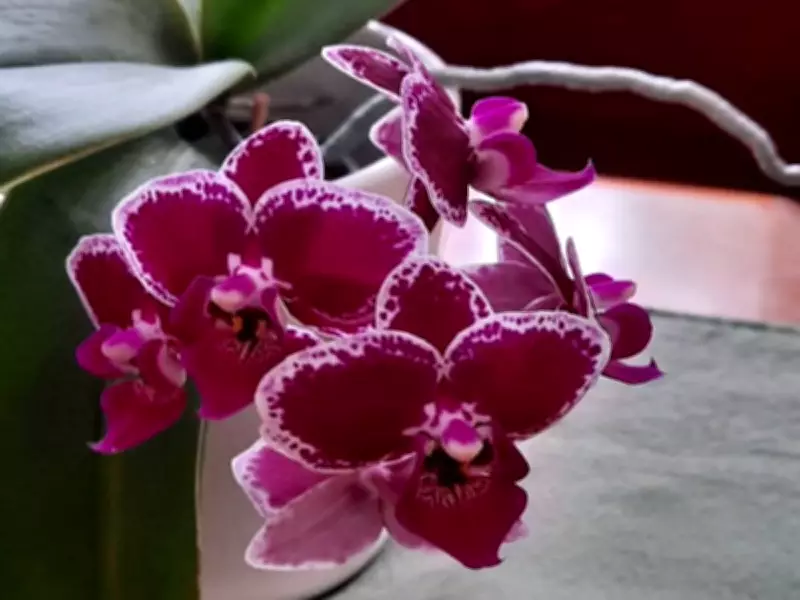
Orchids Bring Vibrant Color to Indoor Gardens with Surprising Ease of Care
As gardens slowly thaw in early spring, orchids provide a welcome burst of vibrant color indoors. These elegant and long-lasting plants have developed a reputation for being delicate and demanding, but many varieties—especially those commonly sold as houseplants—are surprisingly easy to grow with a bit of understanding and proper care.
A Rich History Spanning Millions of Years
Orchids are among the most diverse plant families on Earth. With more than 28,000 naturally occurring species, the orchid family (Orchidaceae) has adapted to environments ranging from tropical rainforests to mountainous regions. They grow naturally on every continent except Antarctica.
Fossil evidence suggests orchids have existed for at least 55 million years. Humans have been cultivating orchids for thousands of years, with records showing they were grown in China and Japan as early as 3,000 to 4,000 years ago for medicinal and ornamental purposes.

In Europe, orchids became fashionable much later, reaching peak popularity in the 19th century during a period known as orchid fever, when wealthy collectors financed expeditions to bring exotic species back from the tropics. That exclusivity disappeared in the 20th century with advances in seed germination and tissue culture techniques, which made orchids easier to propagate and more widely available.
The Popular Phalaenopsis Orchid
Today, orchids are common sights in garden centers, florist shops, and grocery stores, and many are well suited to life as houseplants. The most popular orchid in North America is Phalaenopsis, often called the moth orchid. Native to tropical regions, these orchids are epiphytes, meaning they grow on other surfaces—usually trees—rather than in soil.
They absorb moisture and nutrients from the air, an adaptation that makes them ideal for indoor growing. Moth orchids are available in a wide range of colors and sizes and are often already in bloom when purchased.
Essential Growing Conditions for Moth Orchids
Temperature is an important consideration for successfully growing moth orchids. They prefer indoor temperatures between 15°C and 20°C. Slightly cooler nighttime temperatures are beneficial, but temperatures below 12°C can cause flower buds to fall off. Warm rooms without good air circulation can also interfere with blooming.
Light is another key factor, particularly during darker months. From November through mid-February, these orchids benefit from as much direct sunlight as possible. In spring, summer, and early fall, the same amount of light is needed, but it should be indirect. Moving plants slightly away from windows or using a sheer curtain to filter sunlight usually provides the right conditions.
Proper Watering Techniques
Watering orchids differs from caring for most houseplants. Because orchids are air plants, they tolerate thorough watering but do not tolerate standing water. The best method is to place the pot in a sink and flood it, then allow all excess water to drain completely before returning the plant to its saucer.
Chemically softened water should be avoided due to its sodium content. Rather than watering on a strict schedule, watch the roots: when they turn from bright green to silvery, it is time to water.
With proper attention to these factors, orchids can thrive as beautiful, long-lasting additions to any indoor garden, bringing elegance and color throughout the year.