Gardening Tools Evolve to Meet Modern Demands Across Generations
The landscape of gardening has undergone a profound transformation, driven by shifting demographics and changing lifestyles. According to recent statistics, the Boomer generation now constitutes less than 10 percent of the gardening community, while Generations X, Y, and Z dominate the scene. This demographic shift is reshaping the very nature of gardening and the tools required to support it.
Changing Gardens and Demographics
Today's gardens are notably smaller, reflecting the living arrangements of younger generations who often reside in apartments, condos, and townhouses with limited outdoor space. A few years ago, it was estimated that 54 percent of gardening occurred in containers, a figure that has likely increased in recent years. Even traditional in-ground garden patches have given way to raised beds and narrow strips along fence lines, further emphasizing the need for adaptable gardening solutions.
Additionally, our changing climate, characterized by more frequent and prolonged periods of extreme heat, is influencing gardening practices. The growing adoption of regenerative gardening is fostering a new approach to cultivating plants, prioritizing sustainability and resilience.

The Evolution of Gardening Tools
At the heart of these changes are the tools gardeners use. Ashley Towers of Hornwood Agencies, which distributes garden tools to the horticultural retail sector, notes that today's tools are significantly different from past models. With the rise of container gardening, there is little need for traditional, bulky tools. Moreover, smaller outdoor spaces leave little room for traditional garden storage sheds, necessitating more compact and easy-to-store options.
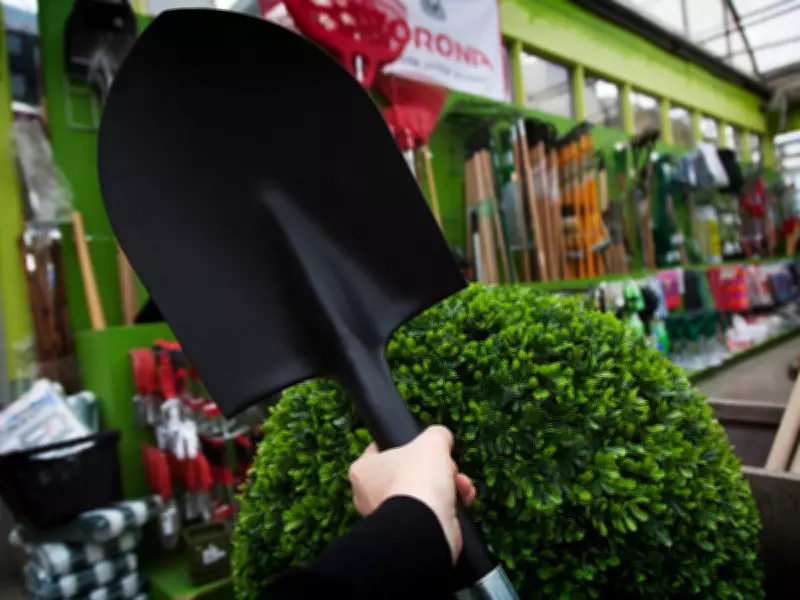
Towers highlights that the aging Boomer generation is driving demand for more lightweight garden tools. For instance, traditional D-handled forks and shovels are now available in smaller, lighter versions that remain equally efficient, making them well-suited for raised beds and containers.
Hand Tools and the Hori Hori Knife
According to Towers, hand tools are far more appropriate for today's gardens and demographics, offering ease of storage and practicality. When asked about a new favorite tool, he pointed to the Japanese Hori Hori knife as the clear winner. This traditional Japanese garden tool has gained popularity among gardeners worldwide due to its versatility.
The curved stainless-steel blade combines the functions of a knife and a narrow trowel, with a tip that can be used as a shovel. This makes it ideal for weeding and digging in various soil types. The blade features measurement markings, perfect for transplanting, and includes one smooth side and one serrated side, allowing for both cutting and edging tasks.
Industry Insights from Lee Valley Tools
Trudy Hurley, assistant manager of the Lee Valley Tools Vancouver store, corroborates these trends. Lee Valley, founded in Ottawa in 1978 and now with 20 stores across Canada, is known for its innovative approach to supplying tools for various disciplines, including gardening. Hurley is well aware of the demographic changes in gardening and the shift from ground beds to containers, underscoring the industry's adaptation to modern needs.
As gardening continues to evolve, the tools that support it must keep pace. From lightweight designs for aging Boomers to compact, versatile options for younger generations, the future of gardening is being shaped by innovation and responsiveness to changing lifestyles.