In a recent gardening column, Helen Chesnat addressed common questions from readers seeking to enhance their vegetable plots with pollinator-friendly flowers and eco-friendly weed control methods. Her insights offer practical tips for gardeners aiming to create vibrant, productive spaces while supporting local ecosystems.
Attracting Pollinators with Annual Flowers
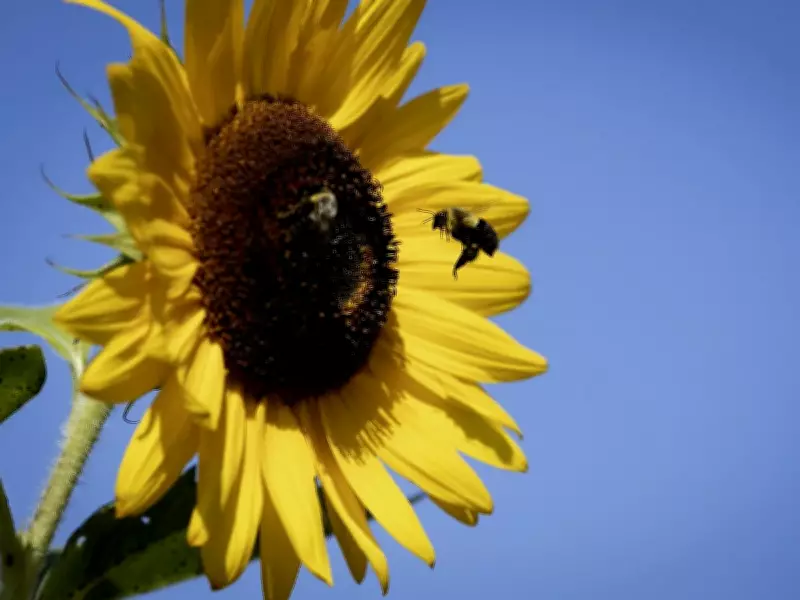
Chesnat emphasizes the importance of incorporating annual flowers into vegetable gardens to nurture pollinating insects such as bees and hover flies. She recommends planting small groups of sunflowers at plot corners, as their blooms are particularly effective at attracting and feeding bees. For edging, she suggests using calendula, alyssum, and nasturtiums, which add patches of colour while serving as pollinator magnets.
In general, single-flowered daisy-type varieties like cosmos and zinnia are highlighted as excellent choices for drawing in pollinators. Chesnat also notes that California poppies in her own garden are consistently buzzing with bees, and cilantro flowers attract hover flies, which act as natural predators for aphids. This approach not only boosts pollination for better vegetable yields but also enhances garden aesthetics.

Using Newspaper as a Safe Weed Barrier
Addressing concerns about toxicity, Chesnat reassures gardeners that modern newspapers use soy-based inks, which are non-toxic and safe for garden use. She explains that newspapers have long switched from harmful chemicals, making them suitable for composting and mulching. To create an effective weed barrier, she advises laying two or three layers of newspaper around newly planted perennials or between vegetable rows, then covering it with compost or other mulch materials.
For pathways between plots, Chesnat recommends using thicker layers, such as cardboard topped with six or seven sheets of newspaper, and finishing with wood shavings. However, she cautions against using glossy paper due to its slippery nature, which can become hazardous in wet weather. This method helps suppress weeds, retain soil moisture, and recycle materials sustainably.
Additional Gardening Tips
Chesnat's column also touches on broader gardening practices, encouraging readers to explore container vegetable seed varieties and soil edging solutions for better garden management. By integrating these strategies, gardeners can foster healthier plants and more resilient ecosystems. Her advice underscores a growing trend towards organic and environmentally conscious gardening, blending functionality with natural beauty.
Overall, Chesnat's recommendations provide a comprehensive guide for anyone looking to optimize their vegetable garden through pollinator support and safe, sustainable weed control. With these simple steps, gardeners can enjoy bountiful harvests while contributing to biodiversity and soil health.