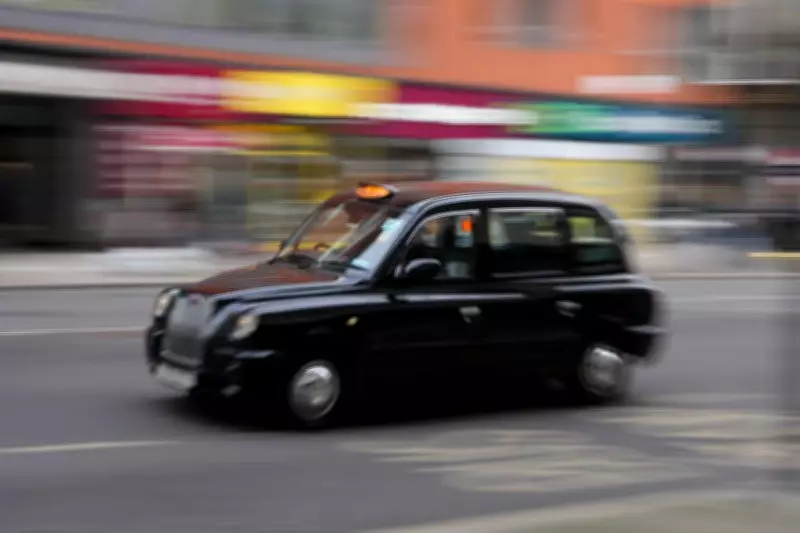
Robotaxis Arrive in London, Facing Skepticism from Iconic Black Cab Drivers
London is on the brink of a transportation revolution with the imminent arrival of autonomous robotaxis, but the city's legendary black cab drivers are greeting this technological advancement with deep-seated skepticism. As self-driving vehicles prepare to navigate the capital's complex streets, traditional taxi operators voice concerns over safety, regulatory oversight, and the potential erosion of their centuries-old profession.
A Clash of Eras on London's Streets
The introduction of robotaxis represents a significant shift in urban mobility, promising increased efficiency and reduced congestion. However, black cab drivers, renowned for their rigorous training and encyclopedic knowledge of London's labyrinthine roads, question whether autonomous systems can match their expertise. "We spend years learning every street and shortcut," one veteran driver noted. "Can a machine really handle that level of detail, especially in unpredictable situations?"
Safety remains a paramount issue, with drivers highlighting potential risks in busy areas like the West End or during adverse weather conditions. Regulatory frameworks are still evolving, and many cabbies argue that current laws may not adequately address the unique challenges posed by self-driving technology. The lack of clear guidelines on liability in accidents involving robotaxis adds to the uncertainty.

Economic and Cultural Implications
Beyond practical concerns, the rise of robotaxis threatens the economic livelihood of black cab drivers, who have long been an integral part of London's cultural fabric. The iconic vehicles are not just a mode of transport but a symbol of the city's heritage. "This isn't just about jobs; it's about preserving a piece of London's identity," said a spokesperson for a cab drivers' association.
Proponents of robotaxis counter that autonomous vehicles could complement existing services, offering new mobility options and reducing emissions. Yet, drivers remain wary, citing past disruptions from ride-sharing apps and fearing further market saturation. They call for stringent testing and phased implementation to ensure public safety and fair competition.
The Road Ahead
As London moves forward with this technological experiment, the dialogue between innovators and traditionalists will be crucial. Key stakeholders, including transport authorities and consumer groups, must collaborate to address the valid concerns raised by black cab drivers while embracing the potential benefits of automation.
Ultimately, the success of robotaxis in London may hinge on finding a balance between innovation and tradition, ensuring that progress does not come at the expense of safety or cultural heritage. The coming months will likely see heated debates and careful scrutiny as the city navigates this transformative journey.