Could Middle East Oil Crisis Sticker Shock Accelerate EV Adoption in Canada?
As geopolitical instability in the Middle East continues to roil global energy markets, Canadian drivers are facing renewed volatility at the gas pumps. This persistent sticker shock is prompting industry analysts and consumers alike to reconsider the economic calculus of vehicle ownership, with many questioning whether these price surges could serve as a catalyst for accelerated electric vehicle (EV) adoption across the nation.
The Price Pinch at the Pump
Recent unscheduled gas price increases in regions like Prince Edward Island underscore the immediate impact of international conflicts on domestic fuel costs. When geopolitical tensions flare, the ripple effects are felt swiftly by consumers, creating a direct and tangible financial pressure. This environment of uncertainty makes the predictable, often lower cost of electricity for vehicle charging increasingly attractive by comparison.
For many households, the math is becoming harder to ignore. While the upfront cost of EVs remains a barrier for some, the long-term savings on fuel can be substantial. In a climate of rising and unpredictable gasoline prices, the stability of EV operating costs offers a compelling financial argument.

A Shifting Automotive Landscape
The conversation around energy security and personal transportation is evolving. Events like Conservative Leader Pierre Poilievre's recent auto sector announcement in Windsor highlight that vehicle policy and energy policy are increasingly intertwined in political discourse. Meanwhile, global events, described by some analysts as 'energy warfare,' directly influence consumer sentiment and purchasing decisions closer to home.
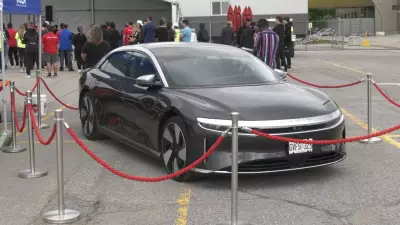
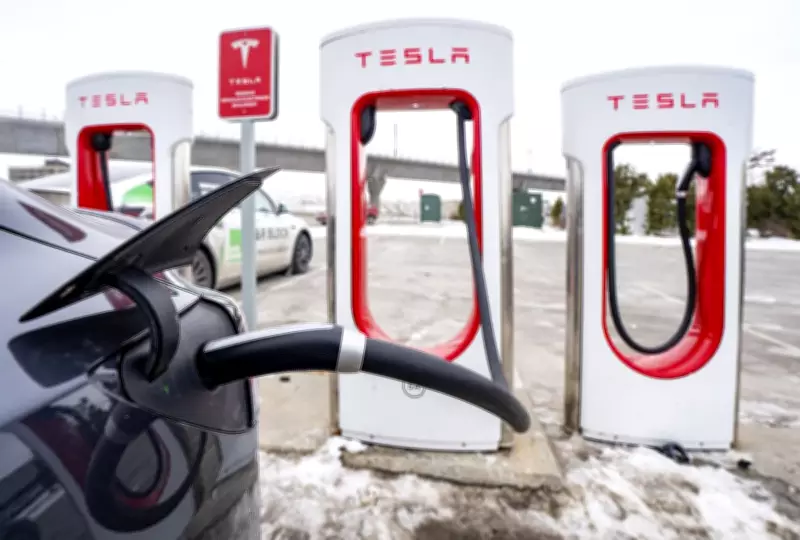
This shift is not occurring in a vacuum. It aligns with broader technological advancements and increased model availability from automakers. From major recalls affecting tens of thousands of gasoline-powered vehicles to the expanding network of charging infrastructure—exemplified by stations in cities like Montreal—the automotive ecosystem is demonstrably changing.
The traditional link between geopolitical oil shocks and consumer pain at the pump may now have a modern counterweight: a viable and growing electric alternative.Beyond Economics: A Multifaceted Decision
While economics are a primary driver, the move toward EVs is also fueled by environmental consciousness and technological appeal. Concerns about climate change and pollution control dovetail with the desire for innovative, high-performance vehicles. The trend toward green technology and sustainable living, reflected in consumer interests from electric vehicles to renewable energy, suggests a readiness for change that external price pressures could activate.
However, challenges remain. The need for more widespread charging infrastructure, especially in rural and northern communities, and the higher initial purchase price are significant hurdles. The success of this potential transition will depend on continued advancements in battery technology, supportive government policies, and sustained consumer education.
As the global energy market navigates a period of pronounced uncertainty, the question for Canadian drivers is no longer just about the cost of their next tank of gas, but about the long-term value and stability of their chosen mode of transportation. The oil crisis sticker shock may well be the jolt that accelerates a slower, steadier trend toward electrification, permanently altering the Canadian automotive landscape.