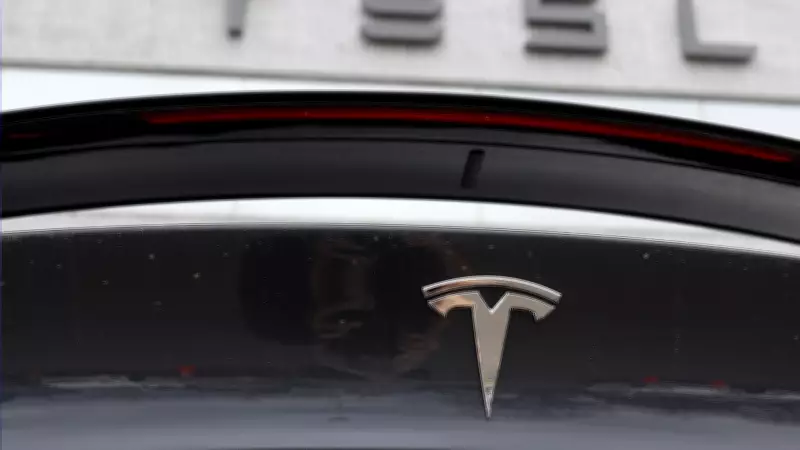
Netherlands Makes History as First European Nation to Approve Tesla Self-Driving
In a landmark decision for the automotive industry, the Netherlands has become the first country in Europe to grant official regulatory approval for Tesla's full self-driving (FSD) technology. This groundbreaking move, announced on April 11, 2026, signals a significant shift in the continent's approach to autonomous vehicles and positions the Netherlands at the forefront of transportation innovation.
A Pioneering Step for European Mobility
The approval allows Tesla vehicles equipped with the latest FSD software to operate autonomously on Dutch roads under specific conditions. This development comes after extensive testing and regulatory review, setting a precedent that other European nations are likely to observe closely. The decision represents a major victory for Tesla, which has faced regulatory hurdles across Europe regarding its autonomous driving features.
"This approval marks a crucial moment in the evolution of transportation technology in Europe," said a spokesperson for the Dutch transport authority. "We have conducted rigorous safety assessments and are confident that Tesla's self-driving system meets our stringent standards for road safety and technological reliability."

Technical Specifications and Safety Protocols
The approved Tesla FSD system includes advanced capabilities such as:
- Automatic navigation on highways and urban streets
- Traffic light and stop sign recognition and response
- Automatic lane changes and merging
- Pedestrian and cyclist detection with emergency avoidance
Dutch authorities have implemented specific requirements for the technology's deployment, including:
- Mandatory driver monitoring systems to ensure human oversight remains available
- Geofencing restrictions in certain high-density urban areas
- Weather condition limitations for optimal sensor performance
- Regular software updates and performance reporting to regulators
European Context and Future Implications
While several European countries have permitted limited testing of autonomous vehicles, the Netherlands' full regulatory approval for consumer use of Tesla's FSD represents a significant advancement. This decision comes as the European Union continues to develop comprehensive regulations for autonomous vehicles, with the Netherlands now serving as a practical testing ground for broader implementation.
The approval is expected to accelerate discussions about autonomous vehicle regulations across Europe, with Germany, France, and the United Kingdom closely monitoring the Dutch experience. Automotive analysts predict that successful implementation in the Netherlands could lead to similar approvals in other European markets within the next two to three years.
This development also highlights the growing competition in the autonomous vehicle sector, with traditional European automakers racing to develop their own self-driving technologies to compete with Tesla's established system.
Public Response and Infrastructure Considerations
Initial public reaction in the Netherlands has been mixed, with transportation advocates expressing both excitement about technological progress and concerns about safety implications. Dutch infrastructure authorities have announced plans to upgrade road markings and signage to better accommodate autonomous vehicles, recognizing that successful implementation requires both technological and physical infrastructure improvements.
The Netherlands' decision to approve Tesla's self-driving technology represents more than just a regulatory milestone—it signals a fundamental shift in how European nations approach transportation innovation and positions autonomous vehicles as an increasingly mainstream component of the continent's mobility landscape.