Federal Judge Denies Tesla's Motion to Overturn $243 Million Autopilot Crash Verdict
A federal judge has firmly rejected Tesla's request to set aside a substantial $243 million jury verdict stemming from a tragic 2019 crash involving its Autopilot system. U.S. District Judge Beth Bloom in Miami, in a decision made public on Friday, stated that the evidence presented during the trial "more than supports" the verdict reached in August 2025. She noted that Tesla failed to raise any new arguments that would justify overturning the jury's decision.
Details of the Fatal 2019 Incident
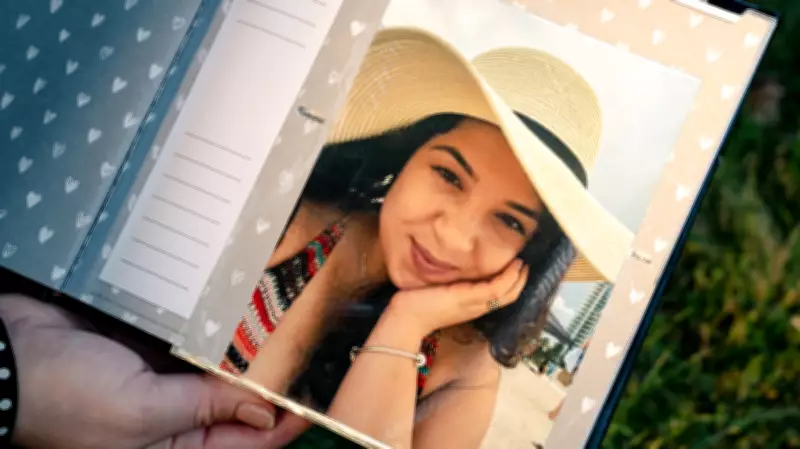
The case originated from an incident on April 25, 2019, in Key Largo, Florida. George McGee was driving his 2019 Tesla Model S through an intersection at approximately 62 mph (100 kph) while he was bent over, searching for his dropped phone. His vehicle collided with an SUV parked on the shoulder, which was occupied by Naibel Benavides Leon and Dillon Angulo, who were standing beside it. The impact resulted in the death of Benavides and severe injuries to Angulo.
Jury's Verdict and Damages Breakdown
After deliberation, the jury assigned 33% responsibility for the crash to Tesla. They awarded compensatory damages totaling $42.6 million, with $19.5 million going to Benavides' estate and $23.1 million to Angulo. Additionally, punitive damages of $200 million were awarded to be split between the plaintiffs. It is important to note that McGee, the driver, had previously reached a settlement with the plaintiffs, separate from this verdict.

This verdict holds historical significance as it represents the first federal jury decision concerning a fatal accident involving Tesla's Autopilot technology.
Tesla's Defense and Legal Arguments
In its motion for a reversal, Tesla argued that McGee should bear sole blame for the crash, asserting that the Model S was not defective and that the verdict defied common sense. The company contended that automakers "do not insure the world against harms caused by reckless drivers." Tesla further argued that punitive damages should be zero, claiming it did not exhibit "reckless disregard for human life" under Florida law.
Plaintiffs' Response and Broader Context
Adam Boumel, the lawyer representing Benavides' estate and Angulo, expressed satisfaction with the judge's decision. In an email statement, Boumel emphasized, "From day one, Tesla has refused to accept responsibility. Autopilot was defective, and Tesla put it on American roads before it was ready and before it was safe."
This case adds to a growing list of legal challenges Tesla faces regarding its self-driving capabilities, though many previous lawsuits have been resolved or dismissed without proceeding to trial. Elon Musk, Tesla's CEO and the world's richest person, has consistently promoted Tesla as a pioneer in autonomous driving technology for private vehicles and future robotaxis.
Tesla is expected to appeal the judge's ruling. At the time of the decision, neither Tesla nor its legal representatives provided immediate comments on the matter.