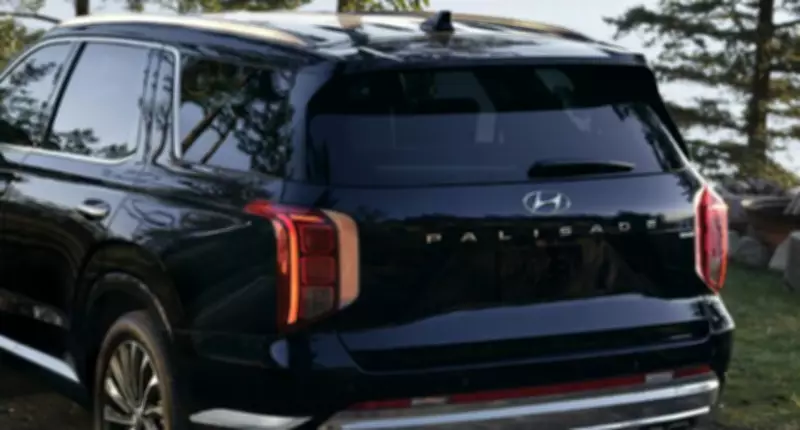
Major Safety Recall: Hyundai Addresses Airbag Defect in Over 600,000 SUVs
In a significant automotive safety action, Hyundai Motor Company has announced a recall impacting more than 600,000 sport utility vehicles (SUVs) across Canada and the United States. The recall, issued on January 29, 2026, centers on a critical airbag system defect that could compromise passenger safety in the event of a collision.
Scope and Details of the Recall
The recall specifically targets certain Hyundai SUV models, including the popular 2025 Hyundai Palisade, where a fault in the airbag control unit has been identified. According to the company's safety bulletin, the defect may prevent the front airbags from deploying correctly during a crash, significantly increasing the risk of injury to occupants.
This recall represents one of the largest automotive safety actions in recent North American history, affecting hundreds of thousands of vehicle owners who will need to bring their SUVs to authorized Hyundai dealerships for inspection and repair. The company has stated that the necessary repairs will be performed at no cost to vehicle owners.

Safety Implications and Consumer Response
Airbag systems are fundamental safety components in modern vehicles, designed to provide crucial protection during accidents. A malfunction in this system, particularly one that could prevent proper deployment, raises serious safety concerns that Hyundai is addressing through this proactive recall campaign.
Vehicle owners of affected Hyundai SUV models are being contacted directly by the manufacturer with instructions on how to proceed. Hyundai has established dedicated customer service channels to assist owners with questions about the recall process and to schedule necessary repairs at local dealerships.
Broader Automotive Safety Context
This recall occurs within a broader automotive industry context where manufacturers increasingly prioritize proactive safety measures and transparent communication about potential defects. Such large-scale recalls demonstrate the industry's commitment to addressing safety concerns promptly, even when discovered after vehicles have entered the market.
Consumers who own potentially affected Hyundai SUVs are advised to check their vehicle identification numbers (VINs) against the recall database maintained by Transport Canada or the National Highway Traffic Safety Administration in the United States. Taking prompt action on recall notices remains essential for maintaining vehicle safety and ensuring proper protection for all occupants.