Across the nation, Canadian seniors are discovering a powerful new form of medicine. They are dancing, singing, painting, and performing, not merely for enjoyment, but as a scientifically supported approach to managing Alzheimer's disease and dementia.
A Growing Movement in Arts and Health
The landscape of care is shifting. Lise Ann Johnson, director general of arts granting programs at the Canada Council for the Arts, confirms a significant rise in organizations operating at the intersection of arts and health, specifically targeting Alzheimer's. "There's a big opportunity for the arts to play a non-pharmacological role in improving health and well-being for people who have Alzheimer's or dementia," Johnson states.
This movement addresses a critical need. Statistics Canada reports that approximately 750,000 Canadians are living with Alzheimer's or dementia, a number poised to increase with an aging population. While traditional treatments remain vital, a compelling body of research now highlights the unique capacity of artistic engagement to bridge the gap between body and brain.

The Science Behind the Art
The therapeutic benefits are backed by global and national studies. Johnson points to a 2019 World Health Organization report that recognizes the arts' role in promoting health and preventing mental illness and age-related decline. Concrete evidence shows that singing and music therapy can reduce depressive symptoms and enhance cognitive function in those with dementia.
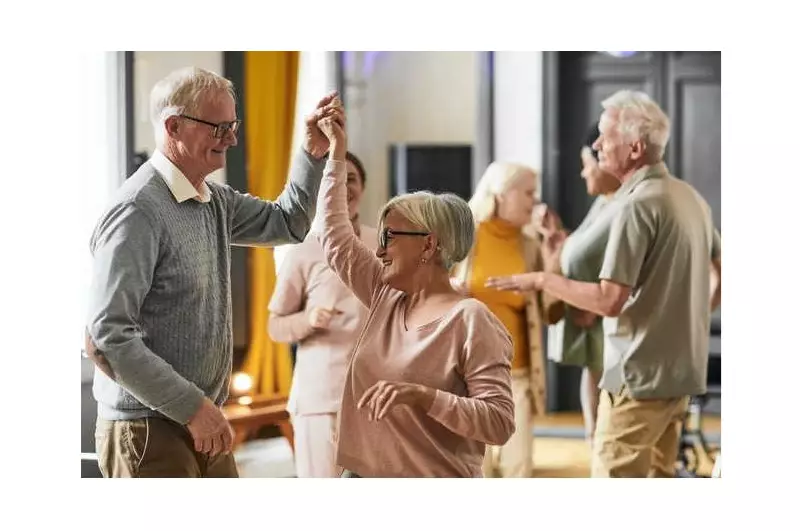
Similarly, dance-based interventions are proven to boost cognition, memory, balance, and overall mood. A recent randomized controlled trial on visual arts programs demonstrated improved communication and quality of life for adults with dementia, alongside reduced stress levels for their caregivers. A key, often overlooked benefit is the social connection these activities foster, enriching the lives of both patients and care partners.
Canadian Programs in Action
So, what does this innovative care model look like on the ground? A vibrant network of programs is active from coast to coast:
In Toronto, the organization danceABILITIES conducts specialized workshops for individuals with dementia and Alzheimer's. Montreal's National Centre for Dance Therapy offers classes designed to slow the disease's progression. Nationally, the Alzheimer Society's Music Project provides free, personalized playlists to support those living with dementia.
Johnson highlights the Art Gallery of Hamilton as a pioneering institution. "Every month they offer an opportunity for people who are living with dementia and their friends and families to tour the gallery," she explains. These are not standard tours; they are carefully crafted experiences designed for the cognitive needs of the participants.
The innovation extends into performance art. In Calgary, the deaf and disability arts community Inside Out Theatre collaborated with an Alzheimer's organization to develop an improvisation program specifically for people with the disease.
The Canada Council for the Arts is fueling this expansion. It has provided funding to the Art Gallery of Hamilton to create a tool kit and platform, enabling other galleries and cultural institutions across Canada to replicate their successful model.
This nationwide embrace of creative therapies positions Canada as a definitive leader in a compassionate, holistic approach to Alzheimer's care, offering hope and improved well-being through the universal language of art.