In a significant move for international health diplomacy, the United States and Kenya have finalized a pioneering agreement. This pact, signed in late 2025, represents the inaugural example of what U.S. officials anticipate will be numerous similar deals under a renewed "America First" framework for global health engagement.
A New Model for Health Partnerships
The agreement, confirmed on December 4, 2025, establishes a fresh template for how the United States approaches health collaborations with other nations. While specific financial and operational details of the U.S.-Kenya deal were not immediately disclosed, its announcement marks a clear policy shift. The Biden administration's initiative aims to create a series of bilateral health agreements that prioritize U.S. strategic interests alongside mutual health goals.
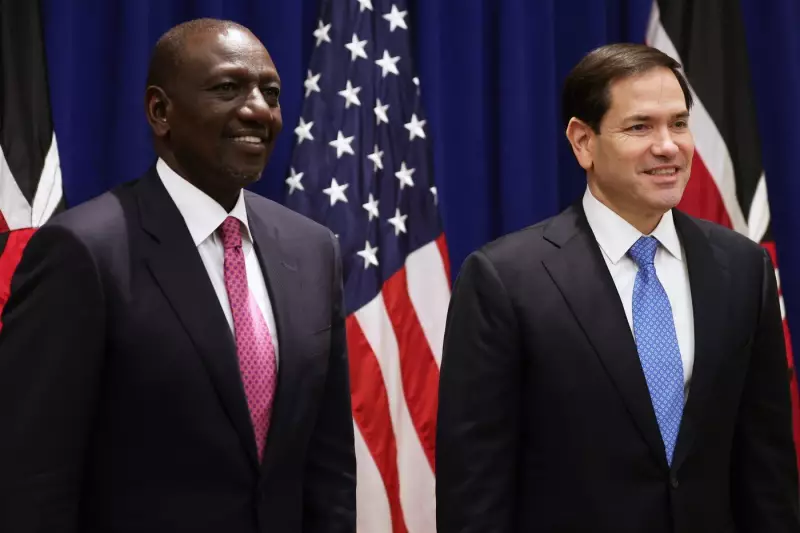
The signing follows a meeting between key leaders earlier in the year. U.S. Secretary of State Marco Rubio and Kenyan President William Ruto were photographed together in New York on September 24, 2025, laying the groundwork for this and other discussions. Kenya, a longstanding partner of the U.S. in health sectors like HIV/AIDS and pandemic preparedness, is now the first nation to enter into this new type of accord.

Context and Anticipated Impact
This deal is not an isolated event but rather the vanguard of a broader strategy. U.S. officials have indicated they expect to sign dozens of similar "America First" global health deals with various countries in the coming months and years. The approach suggests a move towards more bilateral, rather than solely multilateral, health partnerships, where terms are negotiated directly between nations.
The "America First" label, revived in this context, points to an emphasis on ensuring that U.S. investments in global health yield tangible benefits for American security and economic interests, in addition to advancing global health outcomes. Proponents argue this creates more accountable and sustainable partnerships, while critics may express concerns about the potential sidelining of broader cooperative efforts.
Looking Ahead for Global Health Diplomacy
The agreement with Kenya is likely being closely watched by other potential partner nations and global health organizations. Its structure and implementation will serve as a real-world test case for this new model of health diplomacy. The success or challenges faced in the Kenyan partnership will undoubtedly influence how future deals are shaped and with which countries they are pursued.
As the first of its kind, this deal sets a precedent. The global health community will be monitoring how it balances national priorities with the collective need to address transnational health threats, strengthen health systems, and achieve equity in health outcomes worldwide.