Rare 'Blood Moon' Lunar Eclipse Captivates Early Bird Skywatchers Across Canada
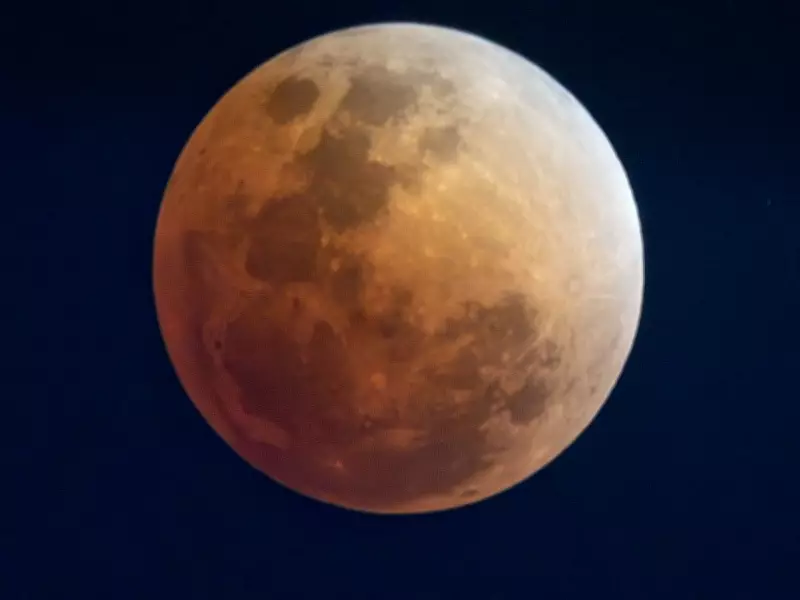
The "blood moon" lived up to its dramatic name during a rare lunar eclipse that unfolded across Canada in the early hours of Tuesday, March 3, 2026. Skygazers from coast to coast either sacrificed sleep by staying up late or set their alarms to wake up early, all in hopes of catching a glimpse of the moon transforming into a mesmerizing reddish-orange spectacle.
This celestial event was a visual treat for those with clear skies, though many faced challenges due to overcast or cloudy conditions that obscured the view. The lunar eclipse, a phenomenon where the moon passes through Earth's shadow, offered a stunning display as the lunar surface gradually darkened before turning a vivid shade of red.
Regional Viewing Challenges and Opportunities
According to the Canadian Space Agency, the timing of the eclipse varied significantly depending on location. Residents in Quebec and Ontario were able to witness the start of totality, but for those in the Maritimes, it was a race against the sunrise. The agency noted on Facebook that the moon would set during the partial phase in eastern regions, creating a dramatic visual as Earth's shadow guided the moon toward the horizon.

NASA explained that during a lunar eclipse, the moon appears red or orange because sunlight filtering through Earth's atmosphere is projected onto the lunar surface. It's as if all the world's sunrises and sunsets are combined in this cosmic display, making it a breathtaking sight for observers.
Social Media Buzz and Personal Experiences
Many Canadians took to social media to share their photos and experiences of the event. Mary Derouard from Toronto posted a detailed image of the reddish moon on Facebook, joking that she was not a morning person but was going through a "lunar eclipse phase." Her photo, taken shortly before 6 a.m., captured the moon's striking transformation.
In Belleville, Paul Lantz shared several photos of the blood moon on Facebook, though he mentioned that overcast conditions and competition with the sunrise made the view less spectacular. His shots were taken near the Bay of Quinte, highlighting the challenges faced by some observers.
From Winnipeg Beach, about 80 kilometers north of Winnipeg, Jody Rose reported mostly cloudy skies but managed to capture an orange-tinged moon, showcasing the perseverance of skywatchers despite less-than-ideal weather.
Scientific Insights and Future Eclipses
During the eclipse, the moon slowly moved into Earth's shadow, with the alignment between the sun, Earth, and moon causing the lunar surface to turn red. NASA emphasized that lunar eclipses are typically visible from only half of Earth, making each occurrence a special event for those in the right location.
The next total lunar eclipse is scheduled for December 31, 2028, with Space.com noting that the moon will enter Earth's shadow an even rarer three times between the end of 2028 and 2029. This upcoming event promises to be another highlight for astronomy enthusiasts across Canada and beyond.
Overall, the blood moon eclipse served as a reminder of the wonders of our solar system, drawing early birds and night owls alike to witness a rare celestial spectacle that united skywatchers in awe and appreciation.