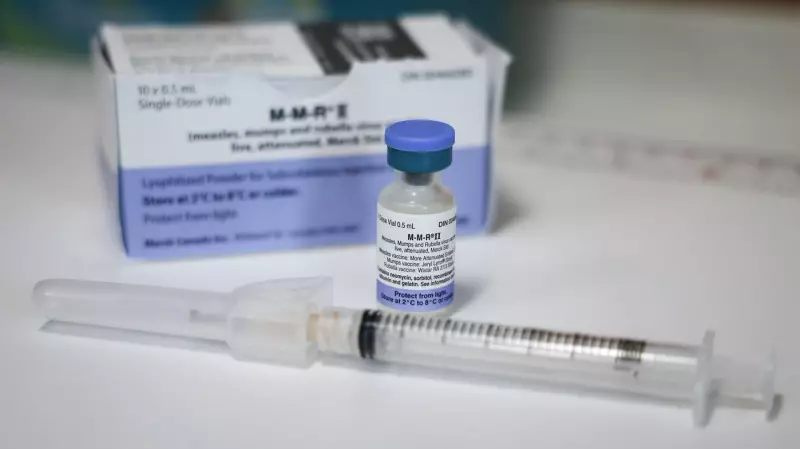
Measles Elimination Status Revoked for U.K. and Several European Nations
The World Health Organization has officially rescinded the measles elimination status for the United Kingdom and a number of other European countries. This significant public health decision comes as a direct response to sustained transmission of the highly contagious virus and concerning gaps in vaccination coverage across these nations.
A Setback in Global Health Efforts
Measles elimination status is a formal designation granted by the WHO when a country demonstrates the absence of endemic measles virus transmission for at least 36 months under a robust surveillance system. The loss of this status for the U.K. and its European counterparts represents a notable setback in regional and global health security efforts. It underscores the fragility of public health gains and the continuous need for vigilant immunization programs.
Health authorities point to several interconnected factors driving this regression. Declining vaccination rates, particularly for the measles, mumps, and rubella (MMR) vaccine, have created pockets of susceptible populations. This trend has been exacerbated by pandemic-related disruptions to routine childhood immunization schedules and the persistent spread of vaccine misinformation in some communities.

The Canadian Context and Vaccination Imperative
While the announcement focuses on Europe, it serves as a stark reminder for public health systems worldwide, including Canada's. Maintaining high population immunity through vaccination is the only reliable defense against measles outbreaks. The virus is exceptionally contagious; it can linger in the air for up to two hours after an infected person has left a room.
Canadian health officials consistently emphasize that vaccines are safe, effective, and the cornerstone of preventing serious illness. The MMR vaccine, typically administered in two doses during childhood, provides lifelong protection in the vast majority of recipients. Proactive vaccination not only protects the individual but also safeguards vulnerable community members who cannot be immunized, such as infants and those with certain medical conditions.
Path Forward: Reigniting Immunization Efforts
Regaining elimination status will require a concerted, multi-year effort from the affected European nations. Key strategies must include:
- Strengthening routine immunization systems to reach every child.
- Implementing robust catch-up campaigns for those who missed doses.
- Enhancing disease surveillance to quickly detect and contain any cases.
- Combating misinformation with clear, evidence-based communication about vaccine safety and efficacy.
The situation highlights that infectious diseases know no borders in our interconnected world. It reinforces the global imperative to support vaccination as a fundamental public health tool, ensuring communities everywhere are protected from preventable diseases like measles.