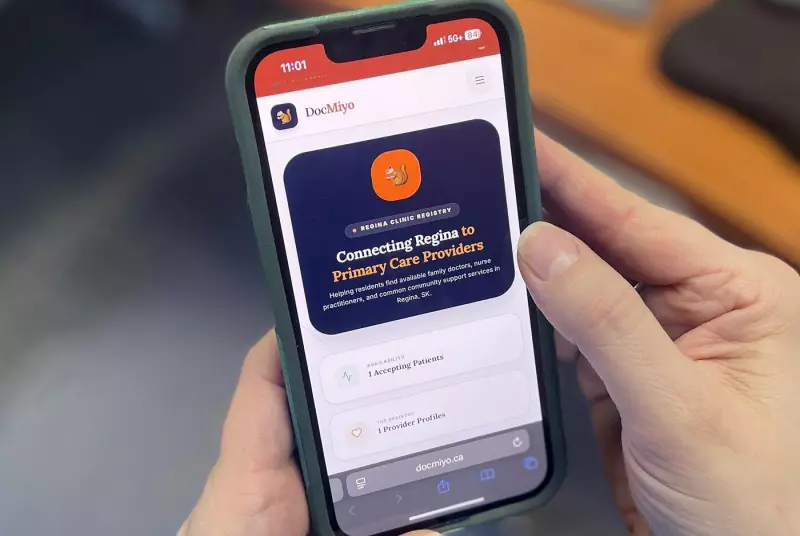
A new online tool has emerged in Regina, aiming to tackle a persistent challenge for many residents: finding a family doctor who is accepting new patients. The website, DocMiyo.ca, was created by Regina citizen David Nnamdi as a direct response to the difficulties people face in securing primary healthcare.
A Grassroots Solution to a Systemic Problem
The platform, which launched in early January 2026, serves as a centralized directory. Its core function is to list primary health providers in the Regina area who have open spots for new patients. The initiative is a citizen-led effort, highlighting how individuals are stepping up to fill gaps in the healthcare system's accessibility.
David Nnamdi, the website's creator, developed the resource out of personal recognition of the widespread need. By aggregating this hard-to-find information in one place, DocMiyo.ca seeks to reduce the time and frustration residents often expend calling multiple clinics or relying on word-of-mouth referrals.

Context of Healthcare Access in Saskatchewan
The launch of this website occurs against a backdrop of ongoing discussions about healthcare capacity in the province. While the site is a practical tool for Regina, it indirectly underscores the broader issue of primary care availability across Saskatchewan and Canada.
Other recent health-related news in the province includes a planned inquest into the death of a 28-year-old inmate at the Saskatchewan Penitentiary and a report from the provincial auditor, who declined to investigate a deadly carbon monoxide leak in Regina. These stories collectively paint a picture of a healthcare and public safety system under scrutiny.
The Potential Impact and Future of the Project
If successful and widely adopted, DocMiyo.ca could serve as a model for other communities facing similar doctor shortages. The website's success will depend on its ability to stay current with rapidly changing clinic rosters and on promotion within the Regina community.
The tool represents a modern, digital approach to solving a classic community information problem. By leveraging a simple website format, accessible on devices like smartphones as illustrated in promotional materials, Nnamdi's project meets people where they already are—online. Its continued operation and accuracy will be key to its value for Regina residents seeking a crucial link to the healthcare system.