War Widens to Include Iranian-Backed Militias as Israeli and American Planes Pound Iran
The conflict in the Middle East has escalated dramatically, with Iranian-backed militias now actively involved following a series of devastating airstrikes by Israeli and American forces that resulted in the death of Iran's Supreme Leader Ayatollah Ali Khamenei. This expansion marks a significant turning point, drawing in proxy groups and heightening regional tensions to unprecedented levels.
Retaliatory Strikes and Regional Fallout
In response to the killing of Khamenei, Hezbollah, a powerful Lebanese militia backed by Iran, has launched a barrage of missiles and drones at Israel. This retaliatory action underscores the deepening involvement of non-state actors in the war, which initially focused on state-level engagements. The strikes have intensified fears of a broader regional conflagration, with potential implications for global stability and security.
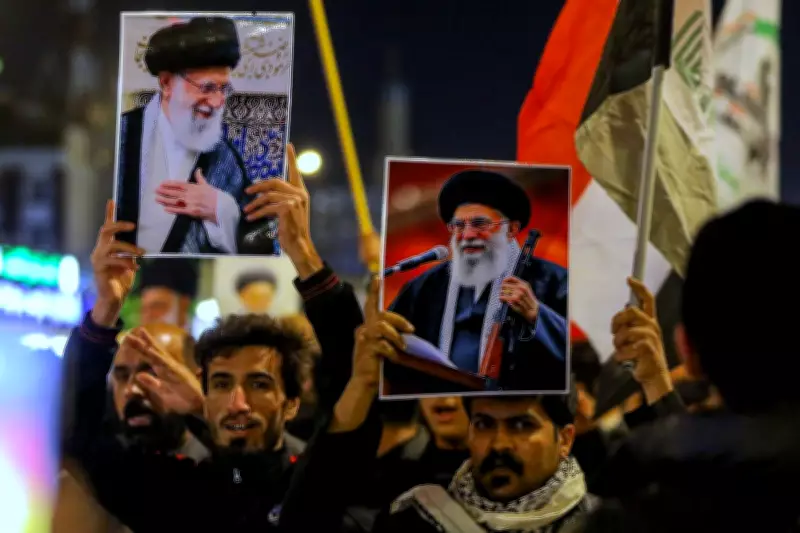
Meanwhile, demonstrations have erupted worldwide, reflecting the polarized reactions to the military action. In cities like Vancouver and Calgary, protests have highlighted divisions among Iranian diaspora communities, with some calling for democratic reforms in Iran and others condemning the external intervention. These events illustrate the complex social and political ramifications of the conflict beyond the immediate battlefield.

International Security Concerns and Domestic Responses
The escalation has prompted heightened security measures in various countries. In Canada, police have stepped up patrols around places of worship and organizations linked to Iran, citing concerns over potential retaliatory attacks. Authorities have assured the public that there is no imminent threat to national security, but vigilance remains paramount as the situation evolves.
Globally, the attack has sparked debates over succession in Iran, with analysts speculating on who might emerge as the next supreme leader. This uncertainty adds another layer of volatility to an already unstable region, influencing diplomatic strategies and international relations.
Economic and Environmental Impacts
The conflict is also affecting global markets, with oil prices experiencing significant volatility due to supply uncertainties stemming from the strikes. This economic ripple effect underscores the interconnectedness of geopolitical events and financial systems, potentially impacting consumers worldwide.
Environmental concerns have not been overlooked, as the war diverts attention from pressing issues like climate change and pollution control. However, the immediate focus remains on the humanitarian and security crises unfolding in the Middle East.
As the war widens to include Iranian-backed militias, the international community watches closely, with calls for de-escalation growing louder. The coming days will be critical in determining whether this conflict can be contained or if it will spiral further into a full-scale regional war.