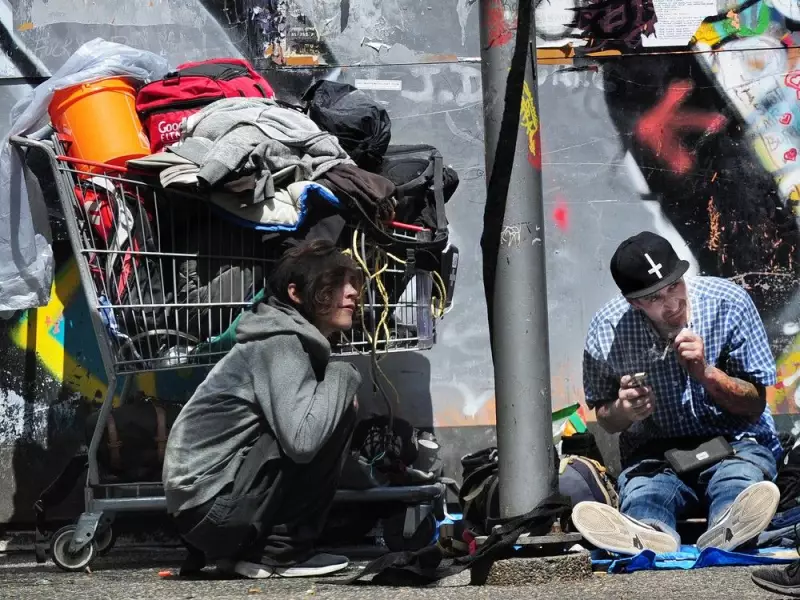
British Columbia's landmark experiment in drug decriminalization faces a critical juncture. Premier David Eby has until the end of January 2026 to decide whether to request a federal extension for the pilot program or allow the Health Canada exemption to lapse.
The Pilot's Goals and Evolution
The pilot, launched on January 31, 2023, was designed to reduce the stigma and harms associated with drug use. It allowed adults to possess small amounts of illicit substances, such as heroin or cocaine, without facing confiscation or arrest. The core idea was to encourage people to seek help and use drugs in safer settings, rather than alone, where the majority of toxic drug deaths occur.
However, the program faced significant public backlash over concerns of increased open drug use and street disorder. In response, the province requested and received an amendment from Health Canada in May 2024 that recriminalized drug use in most public spaces. Premier Eby has since stated that "the days of allowing open drug use is over."

Divergent Views on Effectiveness
The program's impact is a matter of intense debate, with perspectives varying sharply between advocates and critics.
Garth Mullins, executive producer of the Crackdown podcast and a drug user advocate, points to government data showing the pilot reduced drug possession offences by 77 per cent. "We don’t spend so much time in jail, we get to come out of the shadows and rejoin society," Mullins said, emphasizing the profound personal impact of reduced criminalization.
Conversely, others argue the pilot's design was flawed from the start. Dave Hamm, president of the Vancouver Area Network of Drug Users, notes that the 2.5-gram possession limit was insufficient. He believes an exemption for four grams would have been necessary to make a real difference for users. Hamm also highlighted that in areas like Vancouver's Downtown Eastside, a de facto decriminalization was already in practice, as courts were overwhelmed and police had largely stopped charging people for small amounts.
What Comes Next for Drug Users?
With the pilot's future hanging in the balance, its practical significance has already diminished for some advocates. Mullins contends that the 2024 public use ban "effectively killed the program," rendering the current renewal decision somewhat moot for many users.
The looming deadline forces a reckoning with the pilot's complex legacy. Did it succeed in its primary goal of reducing stigma and saving lives by preventing isolated use? Or did the unintended consequence of increased public drug use undermine its benefits and public support? The answers to these questions are not clear-cut, reflecting the profound challenges of crafting policy in the midst of an ongoing toxic drug crisis.
Premier Eby's decision will signal the province's next direction in a health-centered approach to substance use, setting a precedent with national implications.