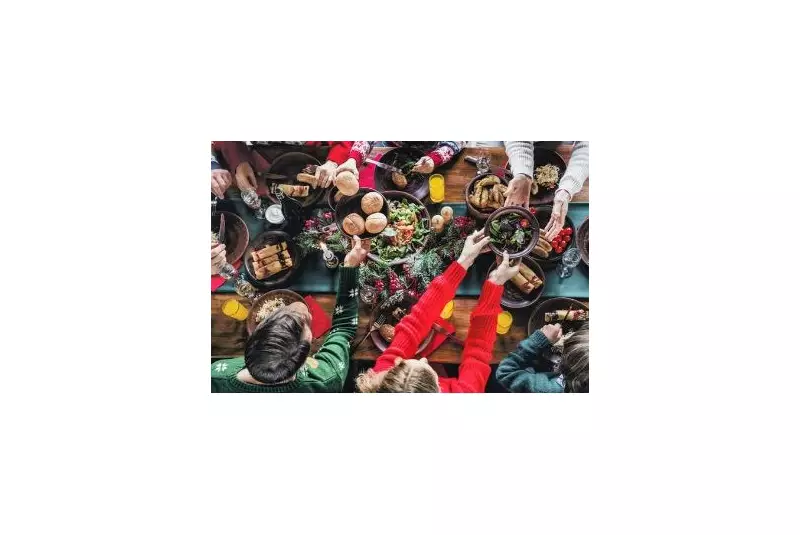
Food transcends its role as mere fuel. It is a source of comfort, a vessel for memories, and a powerful catalyst for human connection. As highlighted by registered dietitian and public health educator Lucia Weiler, sharing meals—particularly during festive seasons like the holidays—serves as a vital practice for preserving traditions and strengthening bonds with family, friends, and community.
The Vital Role of Social Connection in Healthy Aging
Emerging research into healthy aging presents a compelling case: social connection is equally as important as balanced nutrition and regular physical activity for overall well-being. This holiday season, and beyond, prioritizing meals with others can be a simple yet profound strategy to lift your spirits and support long-term health.
Many of us carry ingrained messages from childhood that label foods as "good" or "bad," imposing moral judgments on what we eat. Weiler emphasizes that food itself is neutral. A helpful step toward a healthier relationship with food is to simply call it by its name—whether it's cake, casserole, or strawberries—removing the weight of judgment and making the eating experience safer and more enjoyable.

Navigating Holiday Gatherings with Confidence
Family gatherings, while joyful, can sometimes invite uncomfortable commentary about body size, weight, or personal food choices. Even well-intentioned compliments can inadvertently reinforce harmful diet culture and detract from meaningful connection. To foster a positive environment, Weiler advises avoiding conversations centered on dieting, calorie counting, or so-called "guilt-free" foods. It's important to remember that health is multifaceted and that bodies naturally come in a diverse range of shapes and sizes.
To celebrate with confidence, shift the conversational focus to what truly enriches relationships. Inquire about someone's week, hobbies, or cherished memories. Discuss food as a sensory and cultural experience—exploring flavours, textures, and the stories behind beloved family recipes. Prompting questions like, "What dishes remind you of home?" or "Which holiday flavours do you enjoy most?" can deepen connections and genuinely celebrate the joy that food brings to our lives.
Embracing a Mindful Eating Approach
Optimal nourishment isn't solely about what you eat, but also encompasses where, when, why, and how you eat. Mindful eating is a practice that encourages you to slow down, tune into your body's natural hunger and fullness cues, and fully savour each bite. By engaging all five senses, you can create a more positive and relaxed eating experience. Here are some foundational steps to begin:
Reduce distractions. Make a conscious effort to turn off the television and set aside phones during meal times.
Create a relaxed atmosphere. Elements like soft background music, comfortable seating, and an inviting table setting can significantly enhance the ambiance.
Engage your five senses. Take a moment to notice the colours and presentation on your plate. Inhale the aromas. Pay attention to the varying textures and flavours as you eat.
With consistent practice, mindful eating can lead to meals that feel more enjoyable, may improve digestion, and can help alleviate stress and anxiety surrounding food.
Building a positive and sustainable relationship with food involves enjoying a variety of foods and honouring personal and cultural traditions. This season, consider which food traditions you wish to carry forward. For those seeking guidance, consulting with a registered dietitian can provide valuable support in developing mindful food habits that honour your health, cultural background, and, most importantly, your joy.