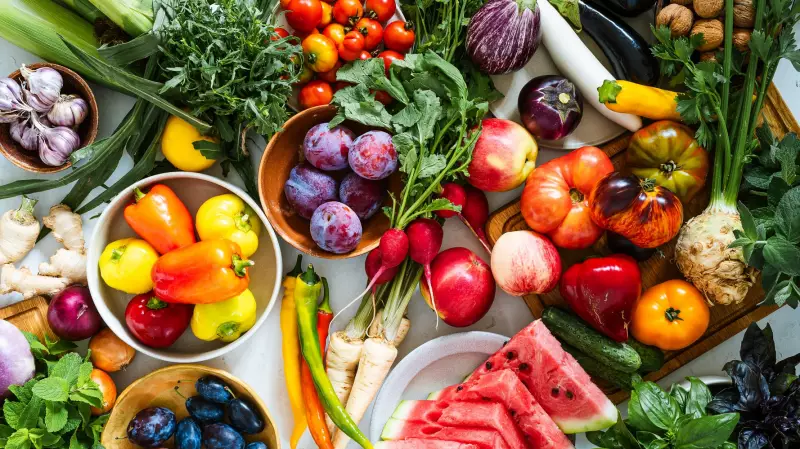
As Canada navigates the peak of flu season, supporting the immune system is a priority for many. Beyond vaccines and good hygiene, diet plays a crucial role. While many reach for orange juice for its vitamin C, there's a vegetable that packs an even more powerful punch: the humble bell pepper. However, not all bell peppers are created equal. Their nutritional profile, including immune-boosting vitamins, varies significantly depending on their color.
The Science Behind Bell Pepper Colors
The color of a bell pepper is a direct indicator of its ripeness. Ginger Hultin, a registered dietitian nutritionist and author, explains that green peppers are the least ripe, while red peppers are the most mature. "Bell peppers change color as they ripen on the vine," Hultin said. Green peppers get their hue from chlorophyll. As they mature, chlorophyll breaks down and carotenoid antioxidants increase, changing the pepper's color and nutrient content. Importantly, bell peppers are non-climacteric, meaning they do not continue to ripen after being picked.
All bell peppers contain valuable nutrients like carbohydrates, fiber, antioxidants, vitamin C, vitamin A, potassium, calcium, and phosphorus. However, the concentration of these compounds shifts as the pepper ripens from green to red.

Which Color Bell Pepper Is the Nutritional Champion?
For the highest overall nutritional value, dietitians point to the red bell pepper. Kara Lydon, a registered dietitian, states, "Red bell peppers typically come out on top in terms of overall nutritional value. Since red peppers ripen the longest, they boast the most antioxidants." This extended ripening time allows for greater nutrient accumulation.
When it comes to immune support, red peppers are the clear winner. Red bell peppers contain up to 60% more vitamin C than green peppers, according to a study cited by Lydon. They are also the highest in vitamin A, another vital nutrient for immune function. Dietitian Maggie Michalczyk confirms the hierarchy: "Red bell peppers are the highest in vitamin C and A due to longer ripening times, followed by orange, yellow and green."
Don't Discount the Other Colors
While red peppers lead, orange, yellow, and green peppers are still excellent, nutrient-dense choices. The dietitians stress that the differences, while notable, are not massive. "Each bell pepper offers a unique antioxidant profile, so it’s best to ‘eat the colors of the rainbow,’" Lydon advises.
Yellow peppers, for instance, are particularly rich in lutein and zeaxanthin, which support eye health. Green peppers have slightly fewer calories—about 24 per pepper compared to 37 in a red pepper—because they are less ripe and their natural sugars are lower. The key takeaway is to enjoy a variety for a broad spectrum of health benefits.
Maximizing Benefits: How to Cook Bell Peppers
Preparation method matters for preserving nutrients. To prevent the loss of water-soluble vitamins like vitamin C, Maggie Michalczyk recommends steaming or stir-frying and avoiding boiling or high-heat cooking. Since vitamin A is fat-soluble, Hultin suggests sautéing peppers in a healthy fat like extra-virgin olive oil to enhance absorption.
Bell peppers are incredibly versatile. They can be roasted, added to soups and omelets, stuffed with lean protein and whole grains, or simply sliced raw for a crunchy snack with hummus. "Ultimately, all colors of bell peppers make a great addition to the diet," Michalczyk emphasized. "In the winter, during cold and flu season, I think it’s great to know that red bell pepper has more vitamin C than an orange."
Remember, bell peppers are just one component of a healthy diet. For robust immune support and overall health, pair them with other nutrient-rich foods like cauliflower, butternut squash, and apples. Variety is not only beneficial for your body but also keeps your meals interesting and enjoyable.