








Politics

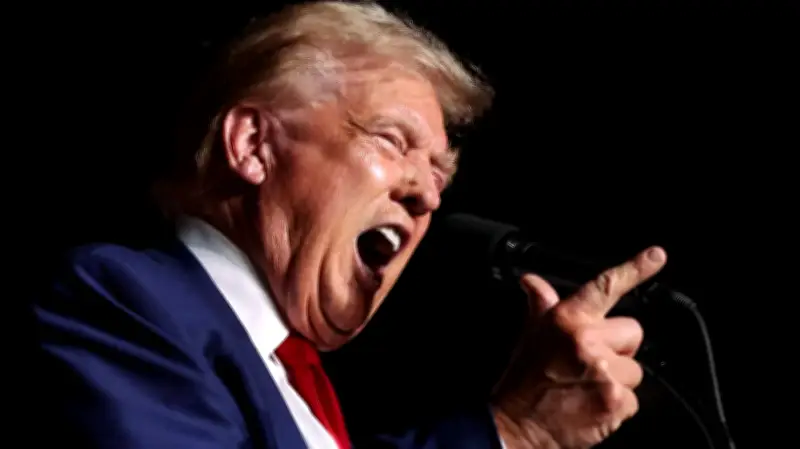
Quebec language law expansion to adult education sparks concerns
Quebec's plan to extend the French language law to adult education and vocational schools raises worries among educators and students about access and inclusivity.




Business

Pickup Truck Driver Charged After Going 175 km/h in Chatham-Kent
Chatham-Kent police charged a pickup truck driver with stunt driving after clocking him at 175 km/h in a 100 km/h zone. The vehicle was impounded and licence suspended.



Sports

Gavin McKenna's Indigenous Roots Shape His Perspective Ahead of NHL Draft
Gavin McKenna, the projected No. 1 pick in the 2026 NHL draft, credits his grandfather's residential school experience for his perspective. A documentary highlights his Indigenous heritage.
Lifestyle
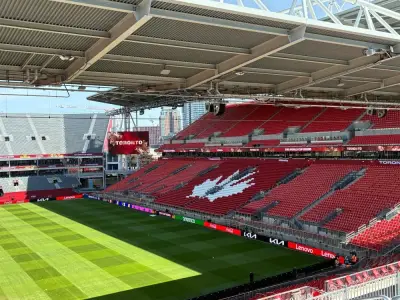
Toronto Stadium Ready for FIFA World Cup: Sneak Peek Inside
Toronto Stadium, formerly BMO Field, is set to host six World Cup matches. A tour reveals pristine pitch, new seating, and FIFA upgrades. First game: Canada vs. Bosnia on June 12.





Health




Environment
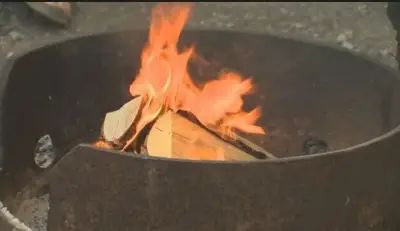
Fire Ban Lifted North of North Saskatchewan River
Saskatoon officials have lifted the fire ban for regions north of the North Saskatchewan River, citing improved conditions. Residents are urged to remain cautious.

Man Hiding in Trunk During Northern Ontario Traffic Stop
A Thunder Bay woman and an Atikokan man face charges after police found the man hiding in the trunk during a traffic stop in northern Ontario.

Saskatoon Warns of More Mosquitoes After Rain
Following recent rainfall, the city of Saskatoon warns residents of a potential surge in mosquito populations, urging precautions to reduce breeding sites.
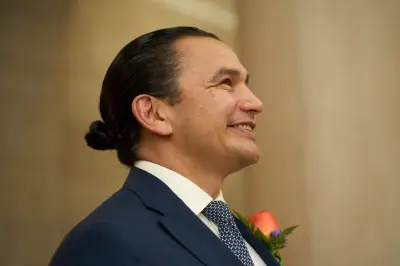
Kinew Rejects Hyperscale AI Data Centre Project
Manitoba Premier Wab Kinew says no to a proposed hyperscale AI data centre south of Winnipeg, citing concerns over energy and water usage.

Winnipeg and Calgary: Common Threads in Urban Growth
Winnipeg and Calgary share similarities in urban development, from department store repurposing to public art and placemaking, despite economic differences.
