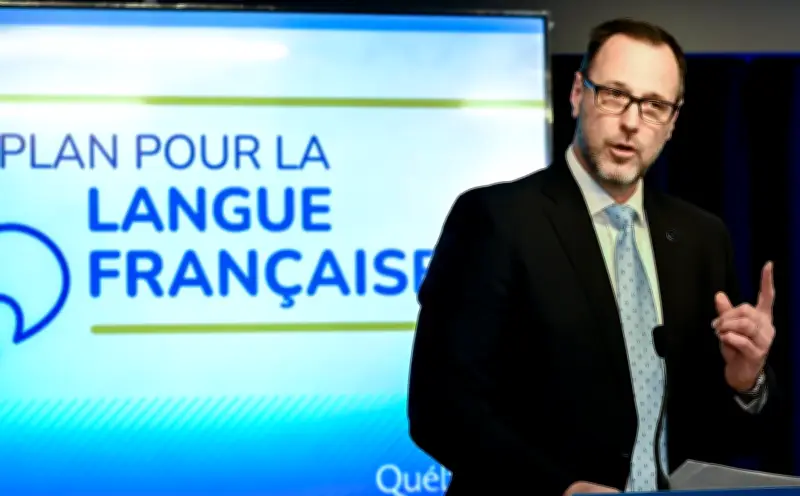
Quebec's government is facing growing concerns over its plan to expand the province's strict French language law to adult education centers and vocational schools. The move, part of the broader effort to protect and promote French in Quebec, has sparked debate among educators, students, and advocacy groups who worry about the potential impact on access to education and inclusivity.
Background of the Language Law Expansion
The proposed expansion would require adult education and vocational training programs to operate primarily in French, with limited exceptions. This follows the adoption of Bill 96 in 2022, which strengthened the Charter of the French Language. Minister of the French Language Jean-Francois Roberge has defended the plan, stating that it is essential to ensure French remains the common language of public life in Quebec.
Concerns Raised by Educators and Students
Critics argue that the expansion could hinder access for immigrants and non-Francophone adults who need to learn French or upgrade their skills. Many adult education centers serve diverse populations, including newcomers who may not yet be proficient in French. Some educators fear that strict language requirements could lead to reduced enrollment and funding cuts.

"We understand the importance of protecting French, but this could create barriers for those who need education the most," said a spokesperson for a Montreal adult education center. Students have also expressed anxiety, with some saying they may have to delay their studies or seek programs outside Quebec.
Political and Community Reactions
The expansion has drawn mixed reactions from political parties and community organizations. The Coalition Avenir Quebec government maintains that the law is necessary to counter the decline of French in Montreal and other regions. However, opposition parties and some advocacy groups have called for more flexibility, especially for programs that serve Indigenous communities and English-speaking minorities.
Public consultations are expected in the coming months, with a final decision likely by the end of the year. The debate highlights ongoing tensions in Quebec over language policy and its social and economic implications.