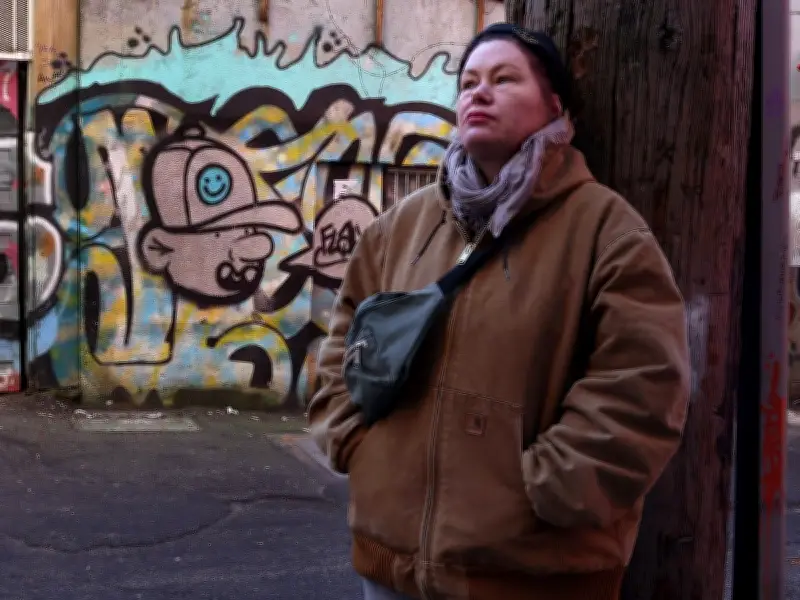
In Vancouver’s Downtown Eastside, the epicentre of Canada’s overdose crisis, two new facilities aim to not only reverse overdoses but also get people off the drugs that have killed so many of their friends and neighbours.
Detox wait times drop, but recovery bed shortage persists
Detox wait times have fallen in British Columbia, which front-line workers say is crucially important. However, they note there is still a shortage of publicly funded recovery beds for when people leave detox.
Standing in the soon-to-open Ashtrey Recovery Resource Centre at 450 East Hastings St. on Tuesday, former Vancouver mayor Larry Campbell said: “I think we actually need more of these.” Campbell was hired last year by the B.C. government to act as a special adviser on the challenges facing the Downtown Eastside (DTES) and has been meeting with area residents and aid workers to advise the province on producing tangible improvements for the beleaguered neighbourhood.

Ten years since public health emergency declared
It has now been 10 years since B.C. declared the toxic drug supply constituted a public health emergency, and the DTES has been especially hard hit. The Ashtrey adds value as “a place of connection,” Campbell said, where people can connect with all kinds of things, whether it’s getting into detox or housing or having a shower or doing laundry.
The centre is supported by funding from the provincial Health Ministry and managed by the Overdose Prevention Society, a local non-profit. The Ashtrey name honours Trey Helten, general manager of the society until his death last year.
Two facilities with different focuses
The society’s other facility, which has operated for several years at 141 East Hastings St., is set up as a place where people can consume drugs in a supervised setting and accidental overdoses can be reversed. By contrast, the Ashtrey is a space focused on helping people get off drugs and into recovery.
“This is the frontest of front lines of recovery. You don’t even have to be sober, you just have to want to start exploring it,” said the society’s founder and executive director Sarah Blyth. “It’s a starting point.”
Another recovery centre opens nearby
Another recovery-focused facility, the Vancouver Junction operated by Vancouver Coastal Health, also opens this month at 923 East Hastings St., just a few blocks east of the Ashtrey. Miranda Compton, Vancouver Coastal Health’s executive director of substance use and priority populations, said it’s just a coincidence both recovery centres are opening within weeks of each other. But, she said: “I think they’ll be nice companions.”
The Junction is part of a provincial network of similar facilities, Compton said, and acts like a “community centre” for people in recovery, with a full calendar of activities and events.
Recovery navigators pilot program
The Ashtrey will provide a base of operations for the society’s two recovery navigators, a pilot program launched in 2024 with community members helping people navigate the often-challenging, multi-step process of getting off drugs, into detox and then into longer-term recovery.