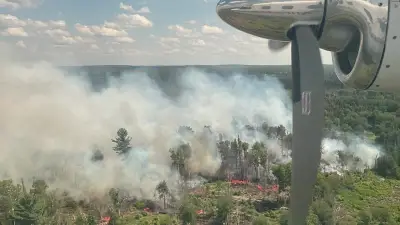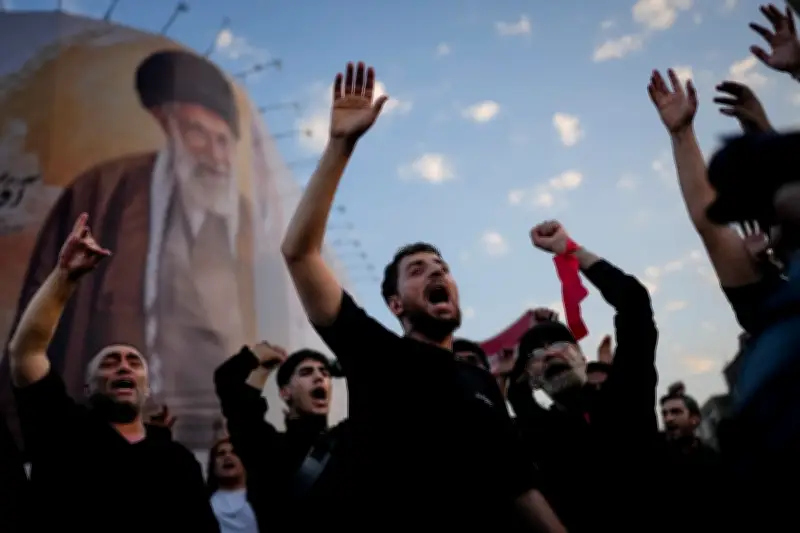
A tanker was set ablaze after being struck by a projectile in the Strait of Hormuz on July 6, 2026, as Iran entered a period of mourning for Supreme Leader Ayatollah Ali Khamenei. The incident, reported by The Associated Press, marks a significant escalation in the ongoing conflict between Iran and the United States.
Attack Details and Immediate Aftermath
The projectile struck the tanker in the early hours of July 6, causing a fire that burned for several hours before being contained by the crew and nearby vessels. No casualties were reported, but the attack disrupted shipping in one of the world's most critical oil transit chokepoints. The Strait of Hormuz handles about 20% of global oil consumption, and any disruption can have severe economic repercussions.
Former U.S. diplomat Alan Eyre commented that Khamenei's death at the start of the U.S.-Iran war 'changed everything' in the country. The supreme leader's passing has thrown Iran into a leadership crisis, with internal power struggles likely influencing the decision to escalate attacks in the strait.

Regional and Global Implications
The attack comes amid a broader conflict that began after the U.S. launched airstrikes against Iranian military positions in early June 2026. Iran has retaliated by targeting commercial vessels in the Strait of Hormuz, raising fears of a broader war that could draw in other regional powers. Oil prices surged by 8% in the hours following the attack, as traders anticipated further disruptions to supply.
According to maritime security firm Dryad Global, there have been 14 attacks on commercial vessels in the strait since June 15, 2026. The latest incident is the first to result in a fire, highlighting the increasing sophistication of Iranian tactics. The U.S. Navy's Fifth Fleet has increased its presence in the region, but has so far been unable to prevent the attacks.
Iran's Internal Dynamics
Khamenei's death on June 10, 2026, from a reported heart attack, has left a power vacuum in Iran. The Supreme Leader's successor has not yet been named, with the Assembly of Experts reportedly deadlocked between hardline and moderate factions. Alan Eyre noted that 'the internal chaos has emboldened hardliners who see escalation with the U.S. as a way to consolidate power.' This internal strife is likely contributing to the aggressive posture in the strait.
Iranian state media has framed the attacks as a legitimate response to U.S. aggression, but international condemnation has been swift. The United Nations Security Council held an emergency session on July 7, with the U.S. calling for a collective response to protect maritime navigation. Russia and China, however, have blocked any substantive resolution, citing the need for a diplomatic solution.
Impact on Global Shipping and Insurance
The attack has prompted several shipping companies to reroute vessels away from the Strait of Hormuz, adding days to transit times and increasing costs. War risk insurance premiums for ships transiting the strait have skyrocketed, with some insurers now charging up to $500,000 per voyage, up from $50,000 before the conflict began. The International Maritime Organization has warned that continued attacks could lead to a humanitarian crisis if food and medical supplies are delayed.
In response, the U.S. has announced a naval escort program for commercial vessels, but it remains unclear how effective this will be given the volume of traffic. The Strait of Hormuz sees an average of 17 million barrels of oil per day, and any prolonged disruption could trigger a global recession.