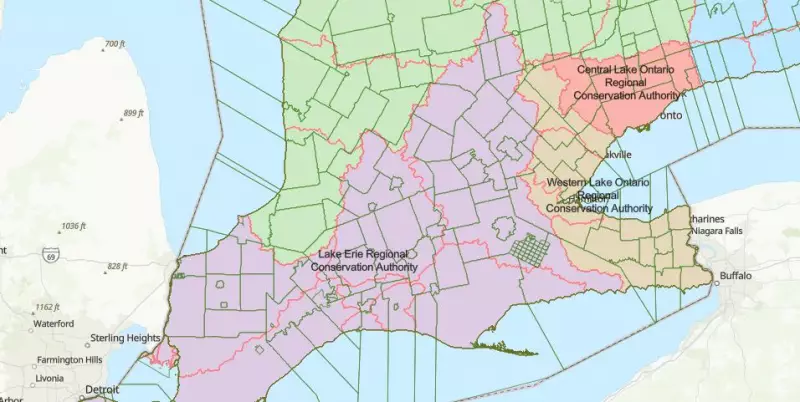
A proposal to create a new, expansive conservation authority in Ontario is sparking debate over whether the plan is moving too quickly and covering too much ground. The potential authority would stretch from Windsor in the southwest to Dundalk in the east, a significant geographical footprint that has raised questions about its manageability and effectiveness.
Mapping the Proposed Boundaries
The Government of Ontario has released an interactive map illustrating where the boundaries of the proposed conservation authority could be established. This visual tool is central to the ongoing discussion, highlighting the vast area that would fall under the new body's jurisdiction. The sheer scale of the proposed region is a primary point of contention for critics and stakeholders alike.
While the government has not released an official statement on the specific rationale behind the proposed size, such authorities are typically responsible for watershed management, conservation lands, and protecting communities from natural hazards like flooding. Combining multiple areas into one large authority could streamline some administrative functions, but it also risks diluting local focus and responsiveness.

Concerns Over Scale and Speed
The core criticism, as captured in the question "too big, too quick," centers on two main issues. First, there is concern that managing a conservation area of this magnitude could lead to bureaucratic inefficiencies and make it harder to address localized environmental concerns promptly. Communities from Windsor to Dundalk have diverse ecological landscapes and challenges that may not be well-served by a one-size-fits-all approach.
Second, the pace of the proposal is under scrutiny. Stakeholders, including local municipalities, environmental groups, and potentially affected landowners, may feel there has been insufficient time for thorough consultation and analysis of the long-term impacts. Rushing such a significant restructuring of environmental governance could lead to unintended consequences.
Looking Ahead: Implications and Next Steps
The proposal is currently in a phase where public and stakeholder feedback is crucial. The decision, once made, will have lasting implications for land use planning, development permits, and environmental protection across a large swath of Southern Ontario. Proponents may argue that a larger authority can pool resources and expertise more effectively, while opponents will likely continue to advocate for a more measured, regionally-sensitive approach.
As the debate continues, all eyes will be on the Ontario government to see how it balances the desire for administrative efficiency with the need for effective, locally-attuned conservation management. The outcome will set a precedent for how large-scale environmental governance is handled in the province.