National Conservancy of Canada Acquires 91 Hectares of Ottawa Wetlands to Combat Flooding
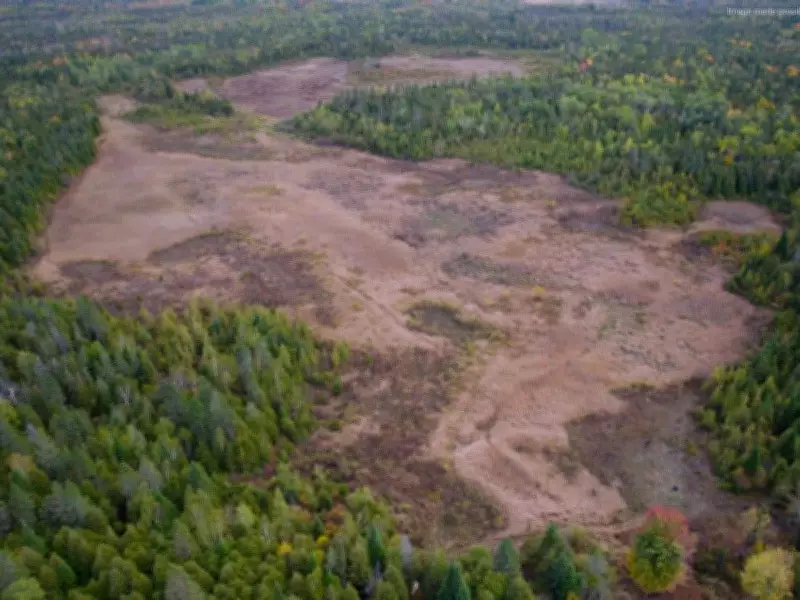
In a significant move to address environmental challenges, the National Conservancy of Canada has committed to conserving and protecting 91 hectares of wetland and forest in rural Ottawa. This initiative forms part of broader efforts to shield communities from the increasing threat of floods, particularly as Ontario's wetlands continue to diminish in size and ecological function.
Location and Ecological Significance
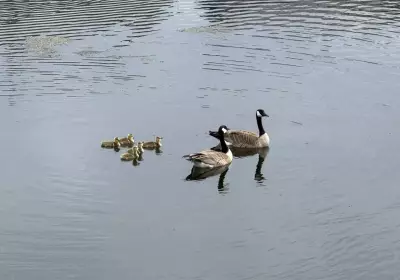
The newly protected land is situated within the Marlborough Wetland system, which lies inside the expansive Marlborough Forest in southwest Ottawa, near North Gower. This area spans thousands of hectares, with the city owning approximately 8,149 hectares of this vital natural space. It serves as a crucial habitat for diverse wildlife, including species such as deer, grouse, moose, beaver, herons, turtles, and frogs, highlighting its importance for biodiversity conservation.
Donation and Conservation Process
The acquisition stems from a generous donation initiated by Doug Smith, a dedicated local environmental advocate, before his passing. Smith utilized the federal Ecological Gifts Program, which enables individuals to donate ecologically sensitive land to qualified recipients, thereby contributing to a nationwide network of conservation lands. Following his death a few years ago, a family member contacted the National Conservancy of Canada in 2024 to transfer the land title, ensuring its preservation and restoration.

This transaction was finalized in December of the previous year, officially placing the parcel under the ownership of the conservation charity. Rob McRae, program director for Eastern Ontario at the National Conservancy of Canada, expressed gratitude for the Smith family's generosity, emphasizing their commitment to upholding Smith's vision of perpetual conservation.
Ecological and Community Benefits
The conservation of this wetland offers substantial ecological advantages for Ottawa. Wetlands act as natural water filters, purifying contaminated water upstream before it flows downstream. Additionally, they provide essential habitats for biodiversity, including at-risk species like the Eastern Whip-poor-will, a medium-sized bird found within the Marlborough Forest.
One of the most critical functions of wetlands is their role as nature's sponges. According to McRae, a wetland area equivalent to a Canadian football field can retain approximately 1.5 Olympic-size swimming pools of water. The newly acquired parcel can hold about 150 Olympic-size swimming pools, offering significant benefits during periods of high flood risk and drought.
Flood Mitigation and Climate Resilience
Located within the Rideau watershed, the Marlborough Wetland system plays a key role in mitigating flood risks along the river. By conserving these areas, the National Conservancy of Canada aims to reduce high water flows that can lead to flooding and property damage. During droughts, such as those recently experienced in Eastern Ontario, wetlands help retain water longer, gradually releasing it to support both human and natural needs.
McRae highlighted the importance of maintaining large, contiguous blocks of land for nature's health, underscoring how this conservation effort not only protects wildlife but also enhances community resilience against climate-related challenges.