Parks Canada Implements Temporary Closure in Banff National Park for Predator Safety
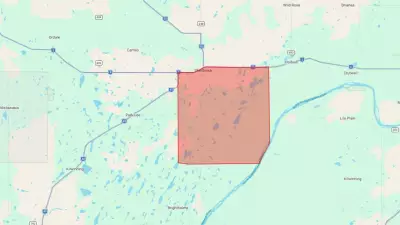
In a proactive move to protect both wildlife and visitors, Parks Canada has announced the temporary closure of a specific area within Banff National Park. The affected zone is located near the popular Tunnel Mountain region, a decision driven by recent carnivore activity observed in the vicinity.
Ensuring Space for Natural Predator Behaviors
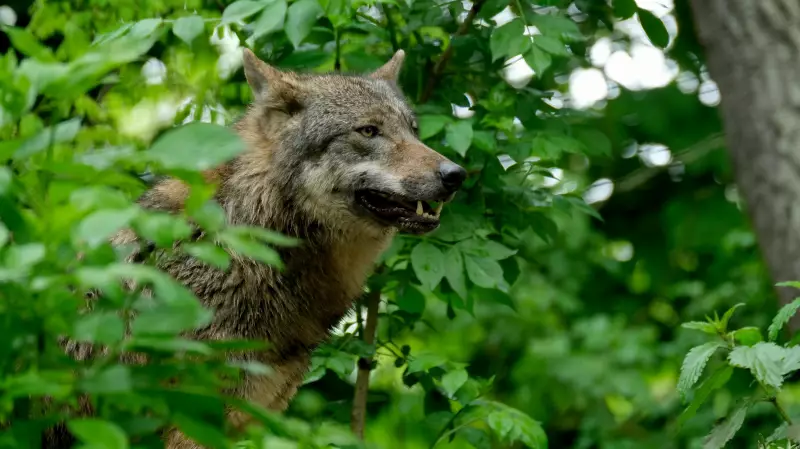
The closure is designed to provide essential space for predators, including species such as cougars and wolves, to engage in their natural hunting behaviors without human interference. This measure underscores Parks Canada's commitment to maintaining ecological balance and reducing potential conflicts between wildlife and park users.
By restricting access to this section, authorities aim to minimize disturbances during critical periods of predator activity, which can include hunting, feeding, and territorial movements. Such interventions are part of broader wildlife management strategies that prioritize the safety of both animals and the public.

Impact on Visitors and Park Operations
While the closure may temporarily affect recreational activities in the Tunnel Mountain area, Parks Canada emphasizes that it is a necessary precaution. Visitors are advised to:
- Check for updates on park conditions and closures before planning trips.
- Respect all posted signs and barriers in the closed area.
- Report any wildlife sightings or concerns to park staff immediately.
This action reflects ongoing efforts to manage Canada's national parks sustainably, balancing conservation goals with public access. Similar closures have been implemented in the past during periods of heightened wildlife activity, demonstrating a responsive approach to dynamic environmental conditions.
Broader Context of Wildlife Management in Canadian Parks
Banff National Park, as one of Canada's most visited protected areas, frequently encounters challenges related to human-wildlife interactions. The temporary closure near Tunnel Mountain aligns with Parks Canada's mandate to preserve natural habitats while ensuring visitor safety.
Predators like cougars and wolves play crucial roles in the ecosystem, and providing them with undisturbed spaces helps maintain biodiversity. This incident highlights the importance of adaptive management practices in responding to real-time wildlife behaviors and ecological needs.