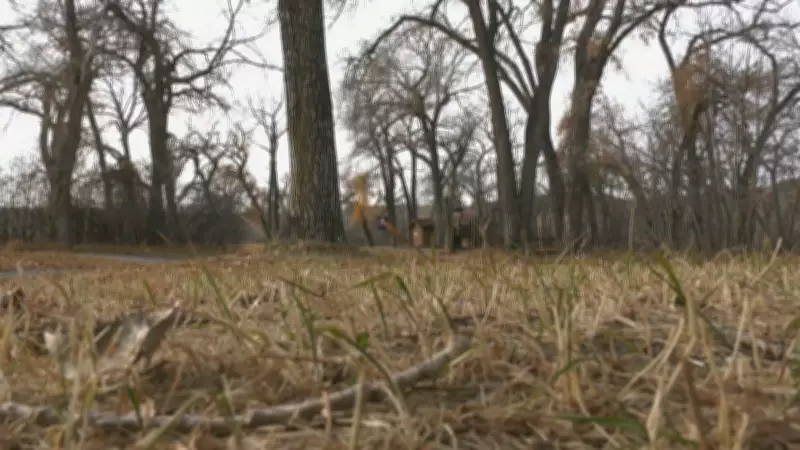
Calgary's Dry January Doesn't Necessarily Signal Significant Drought This Summer
Calgary experienced an unusually dry January this year, with precipitation levels falling well below seasonal averages. However, meteorologists and climate experts are cautioning residents and agricultural stakeholders against interpreting this early-year dryness as a definitive predictor of significant drought conditions for the upcoming summer months.
Understanding Seasonal Weather Patterns
While low moisture amounts in January might raise concerns, especially in a region familiar with water scarcity challenges, weather systems in Alberta are notoriously complex and variable. Historical data reveals that dry starts to the year do not always correlate with parched summers. In fact, several past years with dry Januarys were followed by average or even above-average precipitation during the critical growing season from June through August.
Regional climate models indicate that spring weather patterns, particularly the timing and intensity of Pacific moisture systems, play a more decisive role in determining summer drought conditions. The transition from El Niño to La Niña phases, which influences jet stream patterns, will be a critical factor to monitor in the coming months.

Agricultural and Environmental Implications
Farmers and ranchers in the Calgary region are advised to remain vigilant but not overly alarmed by the January dryness. Soil moisture reserves from autumn rains and winter snowpack in the Rocky Mountains contribute significantly to water availability. Current snowpack levels in headwater regions, while variable, are not at critically low levels that would guarantee summer shortages.
Water management authorities emphasize that proactive conservation measures and efficient irrigation practices remain essential regardless of short-term weather fluctuations. The province's drought monitoring programs continue to assess multiple indicators beyond January precipitation, including:
- River flow rates and reservoir levels
- Long-range seasonal forecasts from Environment Canada
- Soil moisture content across agricultural zones
- Temperature projections for spring and early summer
Broader Climate Context
Calgary's January dryness occurs within a larger pattern of climate variability affecting Western Canada. While climate change has increased the frequency of extreme weather events, including both droughts and floods, individual dry months do not necessarily indicate a trend. Experts recommend viewing precipitation patterns through a seasonal lens rather than focusing on single-month anomalies.
The coming months will be crucial for determining summer water availability. March and April precipitation, along with spring melt patterns, will provide clearer indicators of whether drought mitigation strategies need to be activated. Municipal water managers and agricultural producers are encouraged to stay informed through official forecasts rather than drawing conclusions from January conditions alone.